Warrior Armor
When Slogmire the Slippery Slug stole the Crystal Heart of the Forest, the Solution Squad didn't just study anatomy from a textbook—they engineered it. By crafting custom warrior armor, our young builders discovered how their skeletal, circulatory, vestibular, and sensory systems must unite to keep a body strong, balanced, and ready for action.
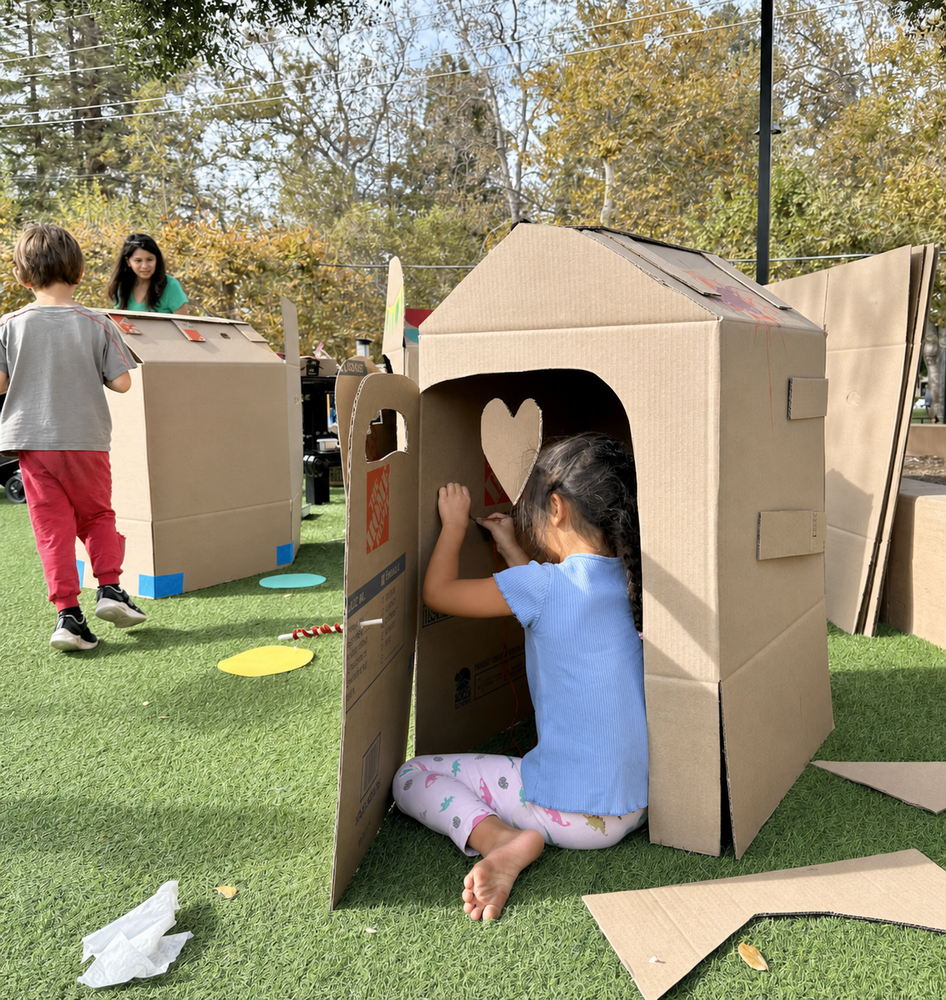
The narrative was high-stakes: Slogmire had left the forest sluggish and weak by stealing its Crystal Heart. To win it back, our children had to become Integrated Warriors. But instead of memorizing muscle groups or bone names on a worksheet, they explored anatomy through the resistance of cardboard, fasteners, and tape, building a physical armor set that mirrored their own internal systems.
We organized the build into collaborative trios, moving station by station. Each piece of gear corresponded to a bodily system. The shield represented the skeletal system's protective cage; the sword, the swift energy of the circulatory system; and the helmet, the sensory and vestibular systems that govern balance and awareness. But we had a confession: we hadn't pre-prototyped the helmet design. We left it open, half-expecting to have to step in and rescue them from structural collapse.
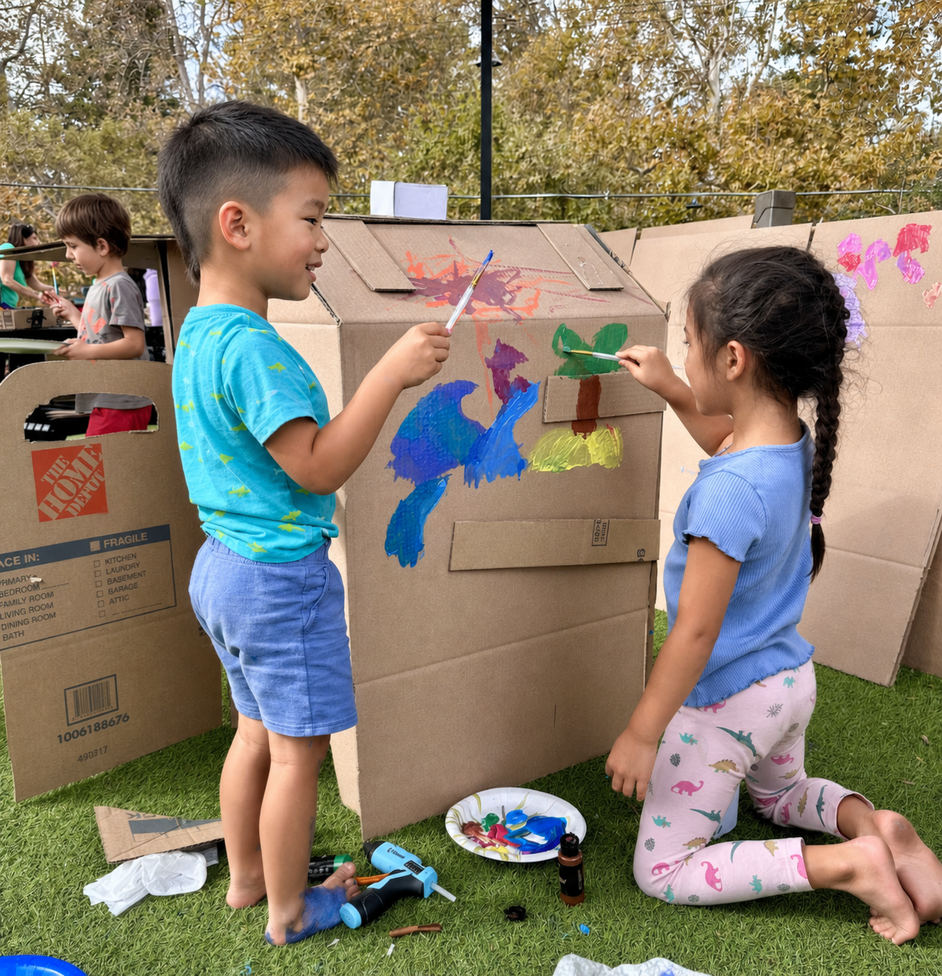
What happened next was a masterclass in design thinking. Without a rigid blueprint, the children encountered the real resistance of materials. Helmets slipped over eyes, blocking the very sensory input they were meant to protect. Straps tore. Instead of giving up, the trios negotiated. Maya realized that a cardboard band across the forehead kept the helmet from sliding, while Leo figured out how to anchor the shield straps to match his forearm's natural skeletal leverage. They weren't just building toys; they were solving ergonomic puzzles.
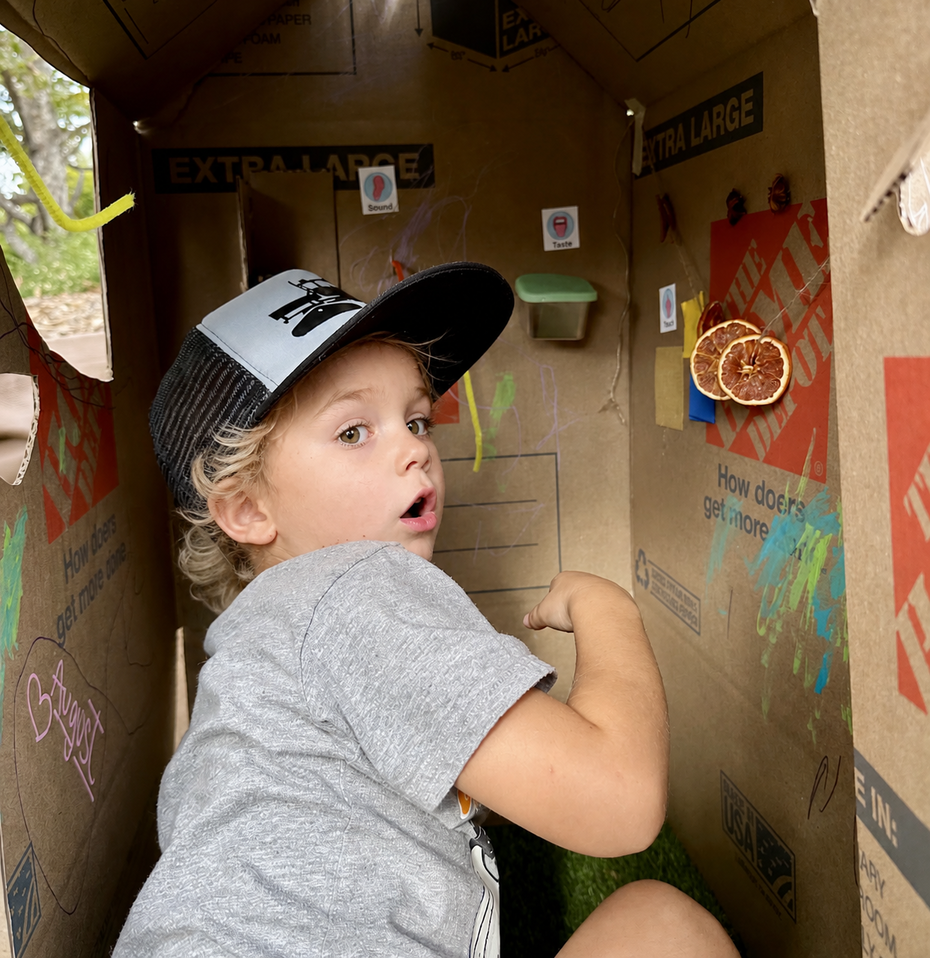
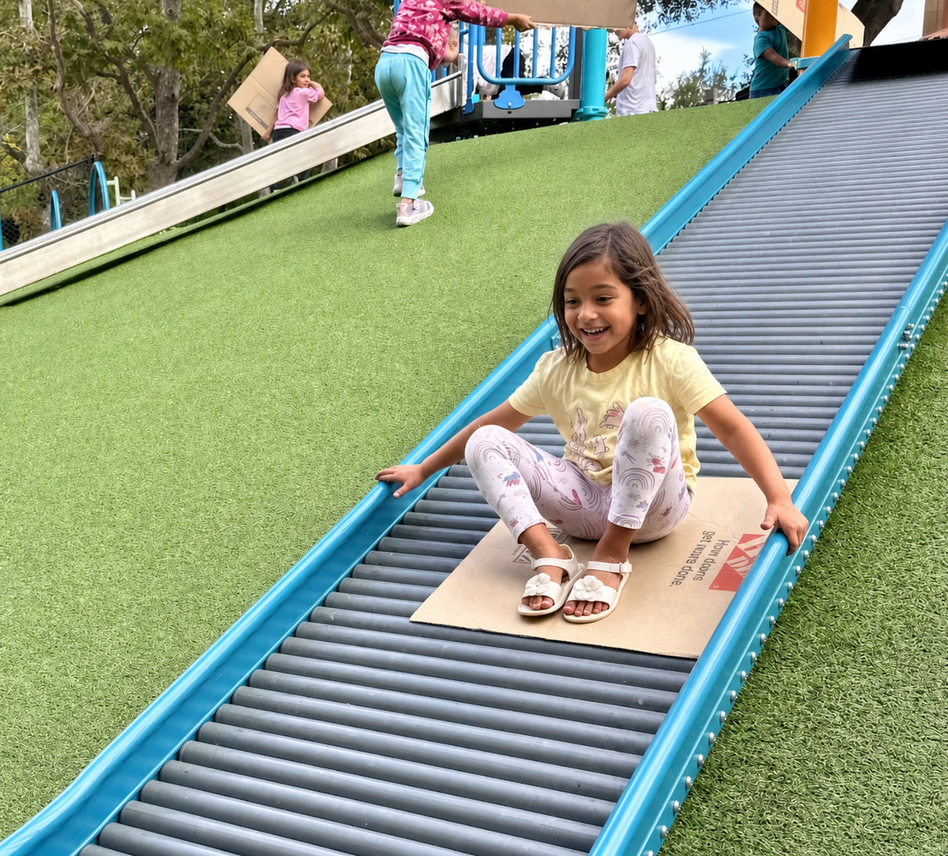
Rather than testing their knowledge with a conventional quiz, we asked the warriors to defend their designs. They didn't recite definitions; they demonstrated how their gear functioned. They spun to test their vestibular balance, braced their shields to show skeletal resistance, and explained how their swords represented the pumping energy of their hearts. The mission culminated in a wild, unscripted charge through the park to reclaim the Crystal Heart—a burst of free play that was, in reality, the ultimate integration of their learning.
The children never had to separate anatomy from imagination. A shield could demonstrate skeletal resistance; a spinning body could reveal the vestibular system; a charging warrior could feel the heart supplying energy in real time. Knowledge of the body became useful inside a world they cared about—and usefulness made it memorable.
By leaving the helmet design un-prototyped, we stepped out of the way of their struggle. The children didn't just learn anatomy; they felt the physical reality of their own systems through the things they made.
What this mission grew
This is a normal Tuesday.
Small groups. Real challenges. Kids in the lead. Come see what a week of missions looks like in your area.
Join the Founding Community →