Turtle Tumbleguard
When we challenged five-year-olds to protect fragile desert-tortoise eggs from a high-altitude plunge, we braced ourselves for a morning of broken shells and tears. What we got instead was a masterclass in tender engineering and the surprising power of real stakes.
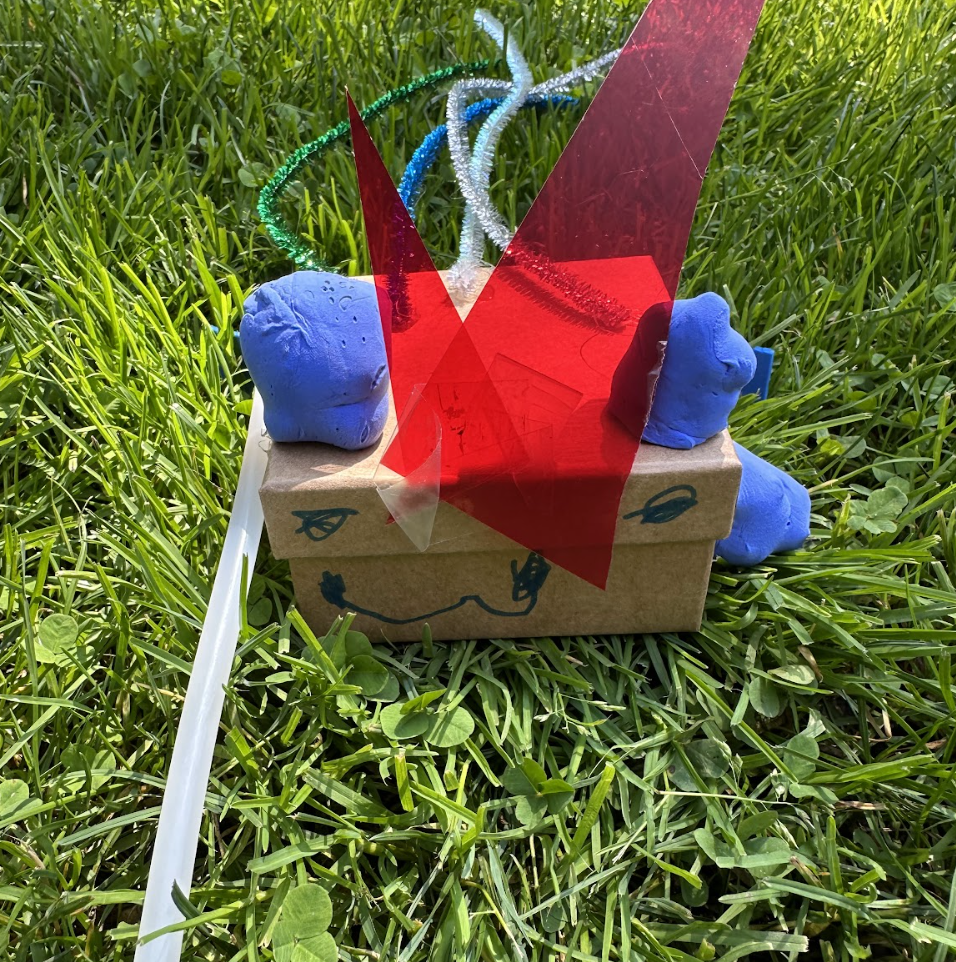
As educators, our instinct is often to sanitize challenges for young children—to swap real eggs for plastic ones or water balloons to avoid disappointment and mess. But for this mission, we decided to trust them with the real thing. We bought dozens of fresh eggs, fully expecting a battlefield of yolk. In our storyline, Topaz the Desert Tortoise even prepared the children, gently explaining that some eggs might break, and that failure was simply a natural part of the journey. This framing transformed the exercise from a high-pressure test into a shared, empathetic rescue mission.
The children did not treat this as a mere game; they treated it as a sacred trust. Tender hands worked with absolute focus, wrapping, cushioning, and building protective shields. The resistance of the real materials—the stickiness of the tape, the rigidity of the cardboard, and the soft give of the padding—demanded genuine design thinking. Every wrap was a hypothesis about impact, and the children were entirely self-directed in their problem-solving.
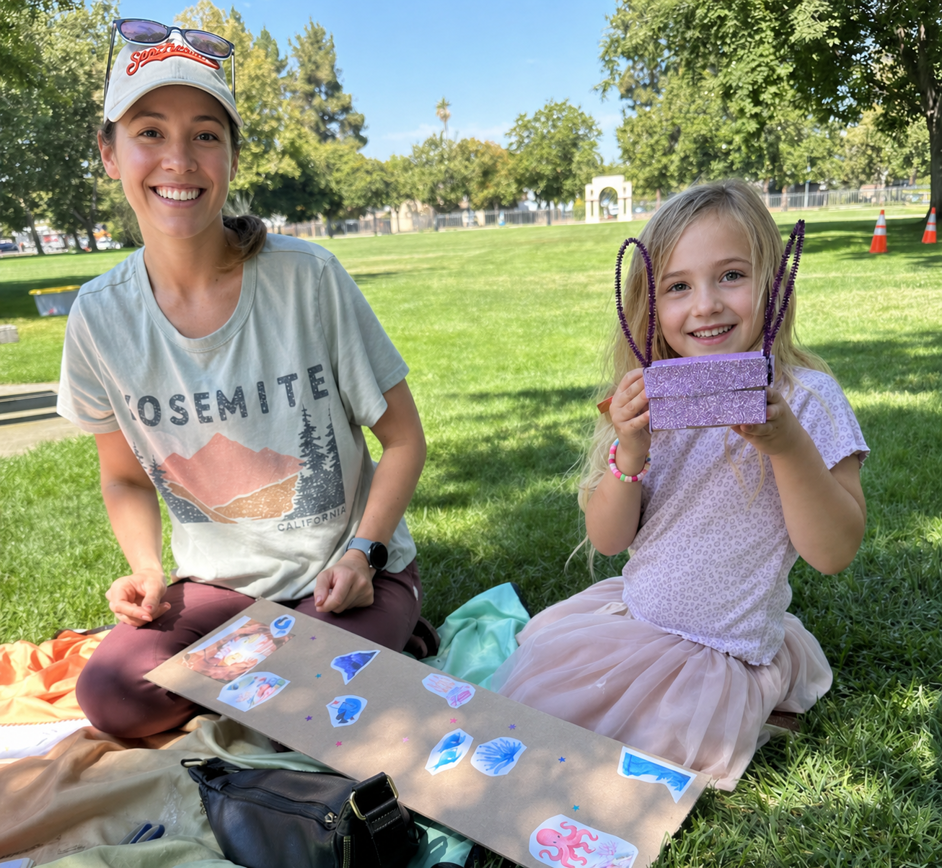
Then came the moment of truth. Our 'villain,' Freya the Fox, launched the capsules from the high mesa cliff. We held our breath. Clara's capsule fell first, landing with a heavy thud. As we carefully unpacked the layers, the egg emerged completely unscathed. The crowd erupted in applause. One by one, every single capsule was dropped, and one by one, every single egg survived. Not a single drop of yolk was spilled. The children looked radiant, having proven that their careful stewardship could withstand the gravity of the real world.
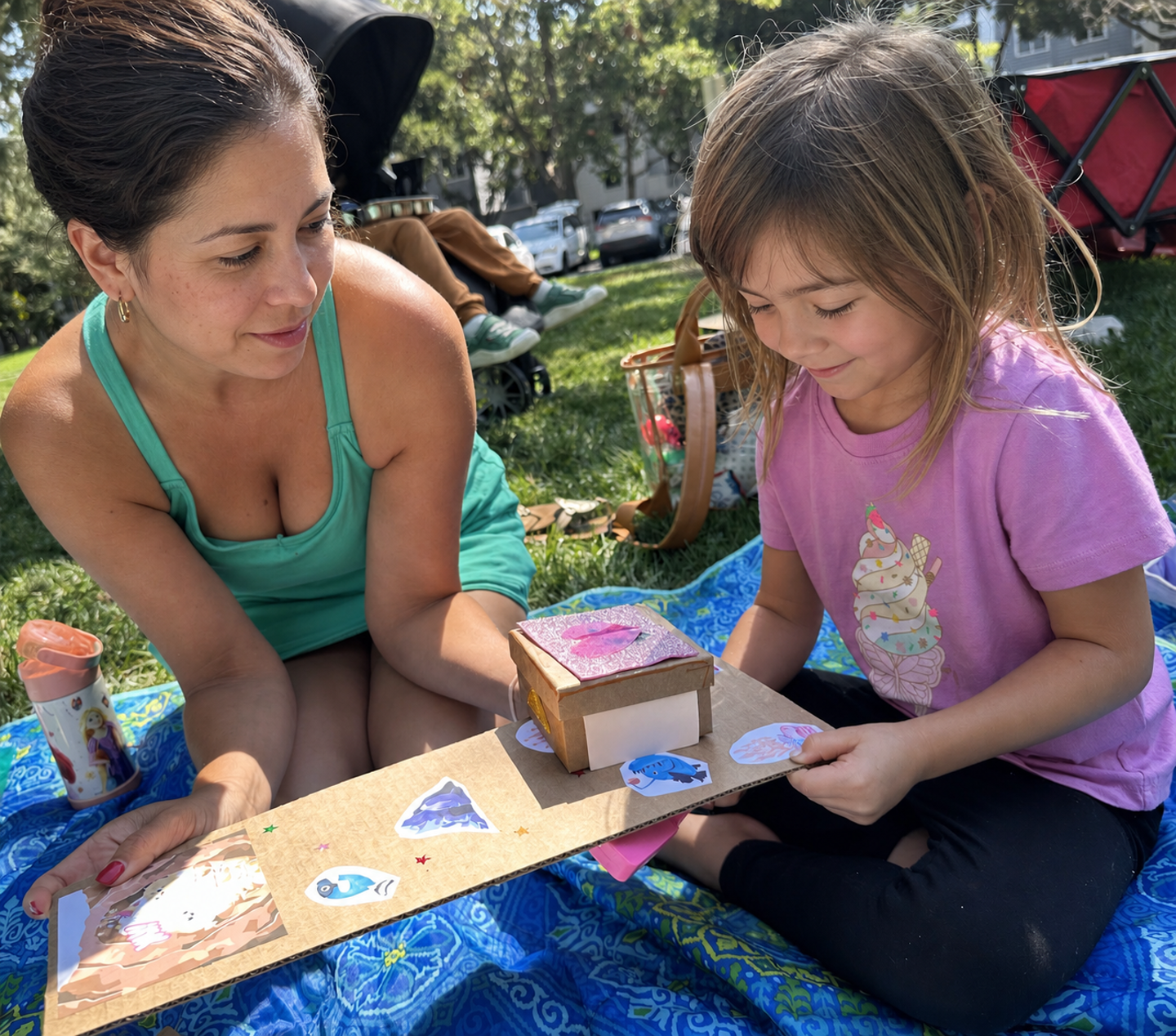
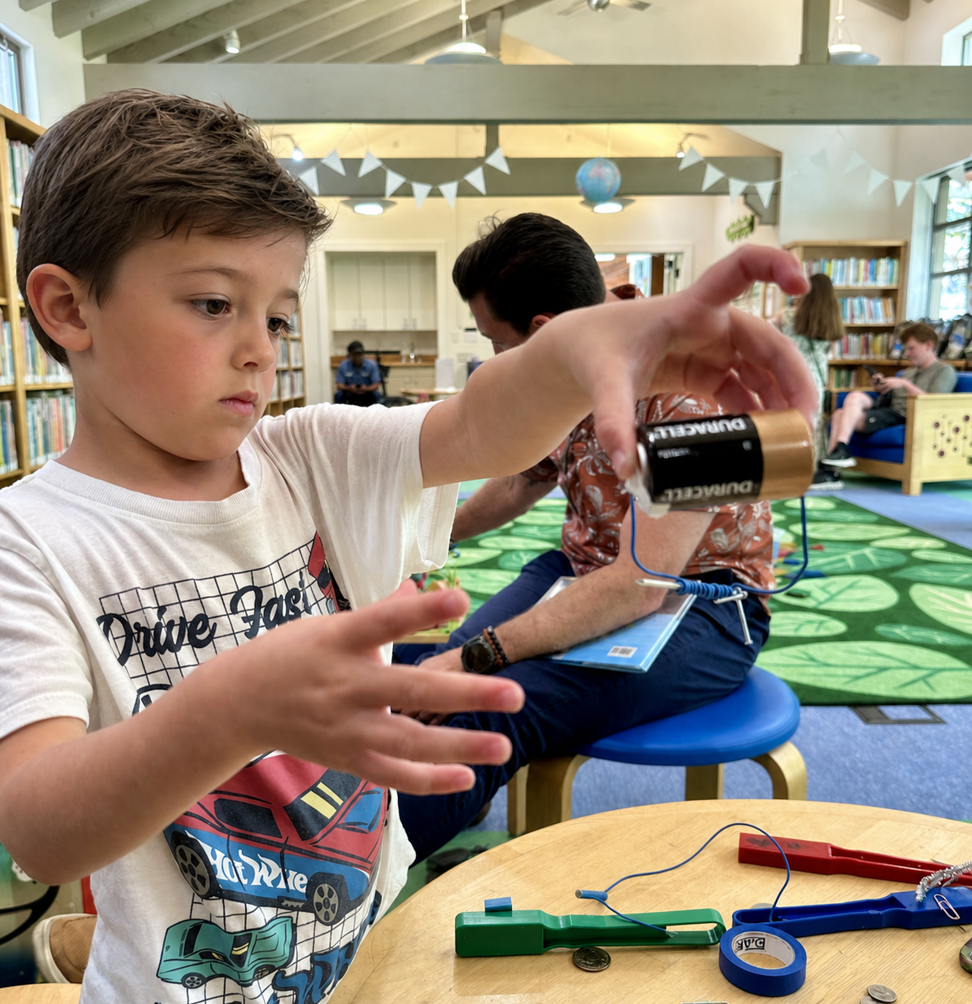
This is the core of the Skip School philosophy. When we step back, offer a meaningful challenge with real consequences, and resist the urge to over-scaffold, children rise to meet the moment. We saw this same dynamic play out later in the week during a puppet-making session. While we parents got bogged down in the mechanics of cutting felt without stencils, the children stepped in as visionary directors. Once the puppets were finished, they immediately ran behind a curtain and put on a brilliant, self-scripted show. They didn't need us to teach them how to tell a story; they just needed us to set the stage and trust them to carry the play somewhere we never could have planned.
We bought dozens of real eggs, fully expecting tears and broken shells. But when you trust children with real stakes, they don't just protect the egg—they build a profound confidence in their own ability to solve hard problems.
What this mission grew
This is a normal Tuesday.
Small groups. Real challenges. Kids in the lead. Come see what a week of missions looks like in your area.
Join the Founding Community →