The Siege of Dargo's Castle
When we challenged the children to breach a volcanic fortress using towers, bridges, and working pulleys, we didn't give them blueprints. We gave them raw materials, an imaginative rescue mission, and the space to let gravity be their teacher.
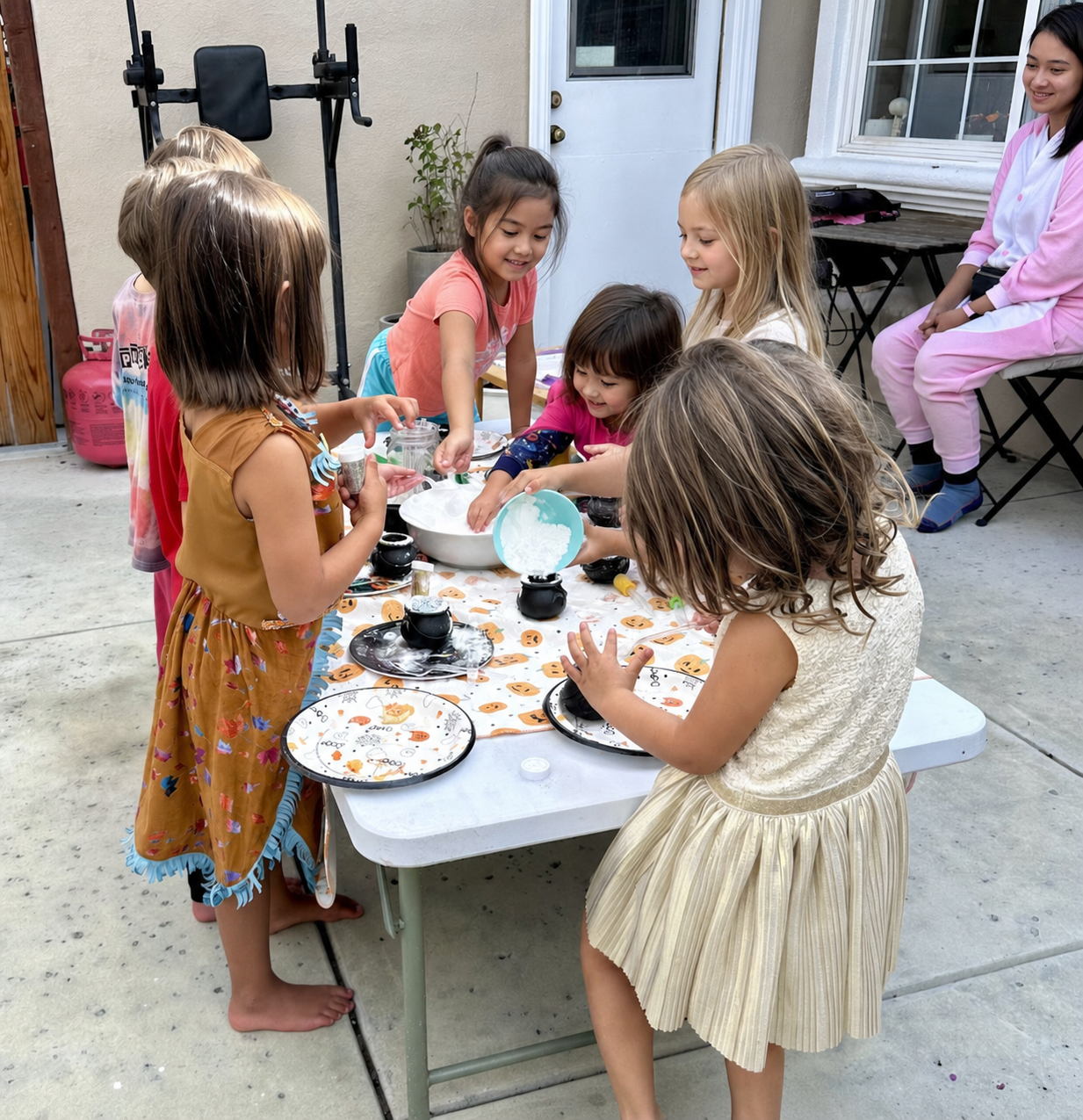
The narrative setup was high-stakes: Dargo the Dark Dragon and Igneous the Iguana had completed their volcanic fortress, and the only way in was up. To assist their allies—the tiny Spider Engineers—the children had to master three distinct structural principles at once: vertical stability (towers), horizontal span (bridges), and mechanical advantage (pulleys).
Rather than lecturing on load-bearing joints, we stepped back and let the physical world do the teaching. The kids quickly encountered the stubborn resistance of real materials. Strings tangled, towers toppled under the weight of the pulley systems, and bridges sagged. We watched them negotiate gravity, adjusting their counterweights and reinforcing their bases not because a textbook told them to, but because their spider allies kept sliding off the platform.
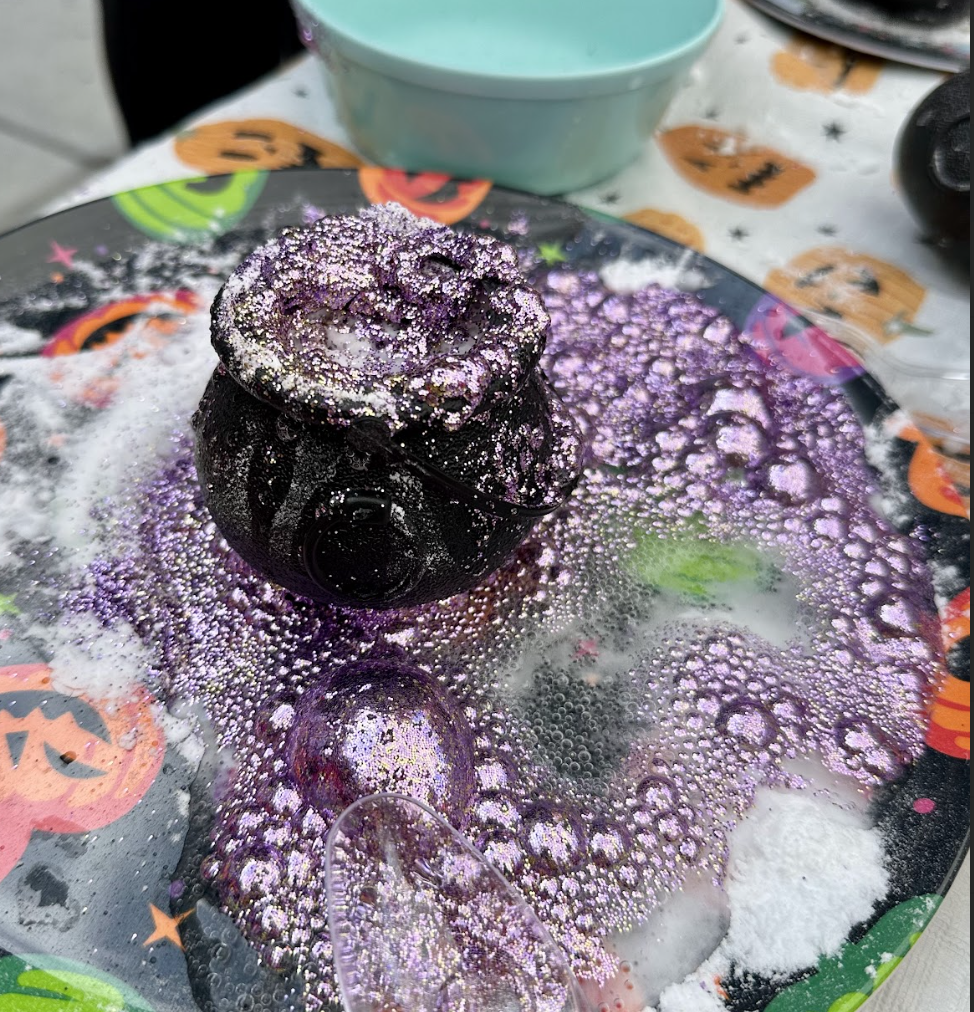
Instead of a conventional quiz on structural engineering, the children defended their designs through live demonstration. They explained how their diagonal bracing would resist volcanic tremors and proved their mechanical advantage by smoothly hoisting their spider capsules to the highest ramparts. Each structure became a unique architectural signature, reflecting its creator's distinct logic.
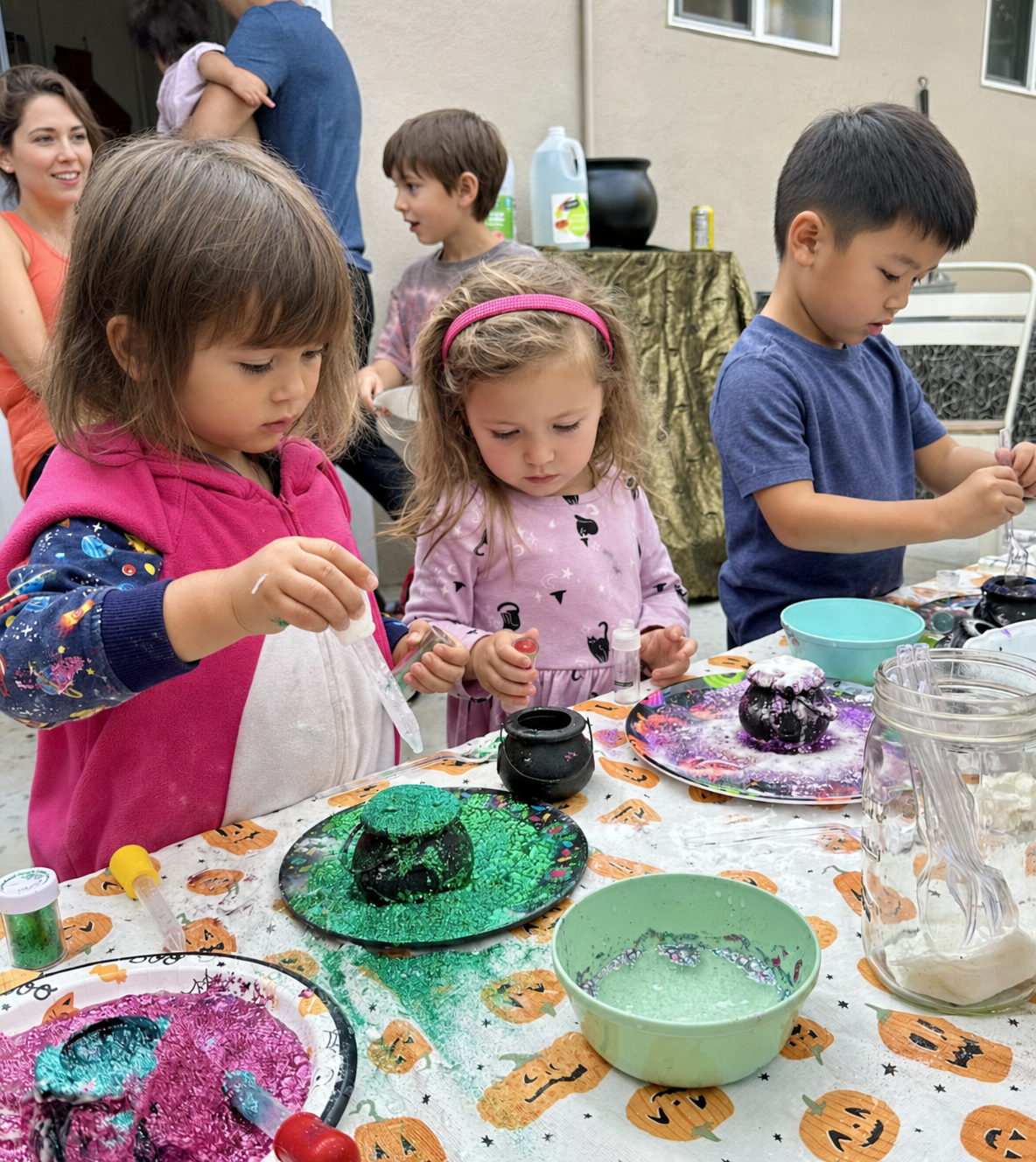
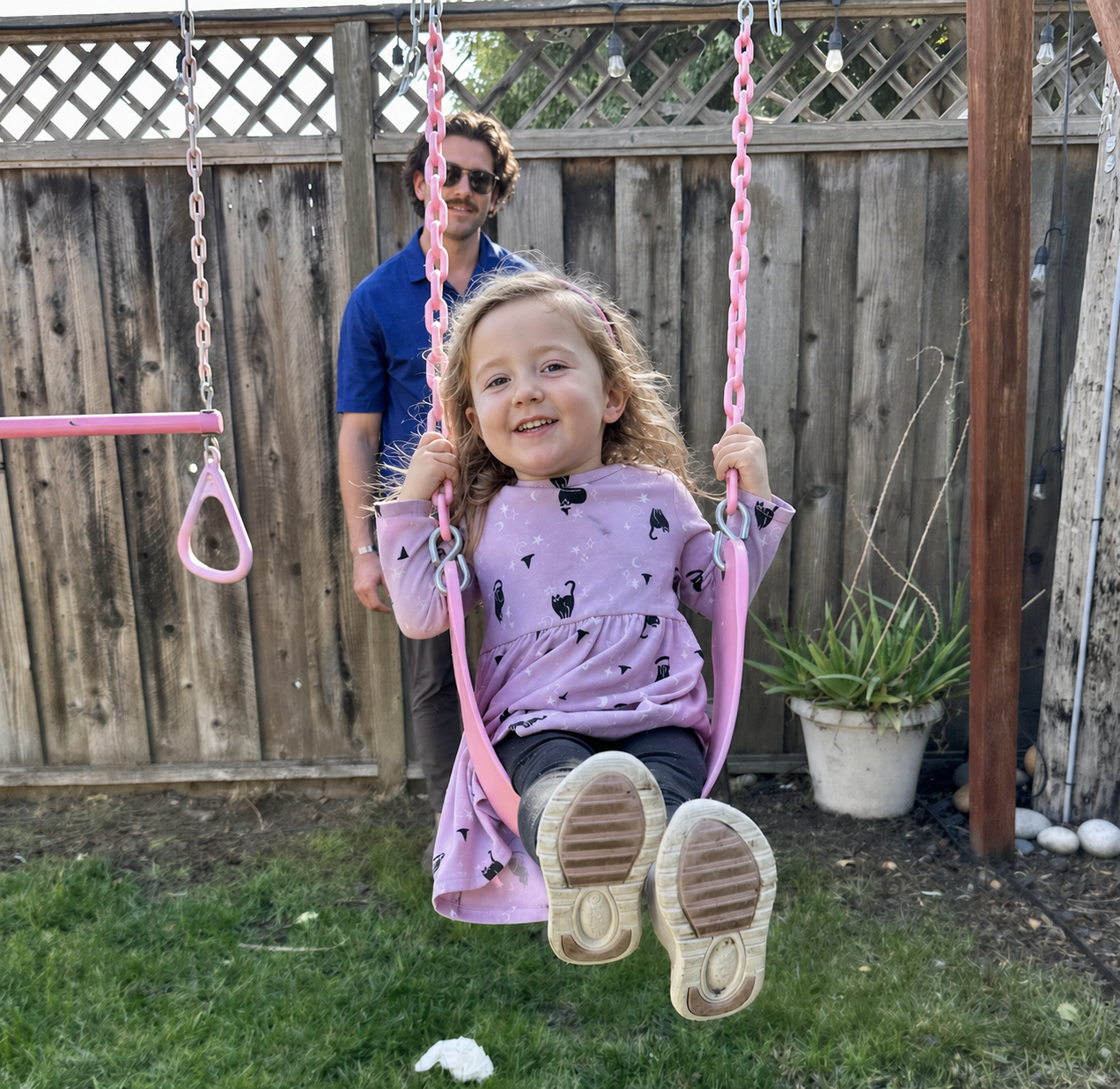
Once the formal siege was won, the pulley stopped being a classroom object and became a verb in the children's play. Spider capsules traveled into the trees; ropes became rescue lines and transport systems. That spontaneous reuse mattered: the children were not repeating our demonstration, but treating a new mechanical idea as something available for their own purposes.
We don't teach engineering by explaining formulas; we teach it by letting children feel the weight of a sagging bridge and the sudden, satisfying snap of a pulley line finding its balance.
What this mission grew
This is a normal Tuesday.
Small groups. Real challenges. Kids in the lead. Come see what a week of missions looks like in your area.
Join the Founding Community →