The Monarch Sanctuary
When a winter chill threatened the monarch butterflies, our young engineers didn't just study thermodynamics—they felt it in their fingers, tested it with real thermometers, and followed the migration to a wild, unscripted sanctuary of their own making.
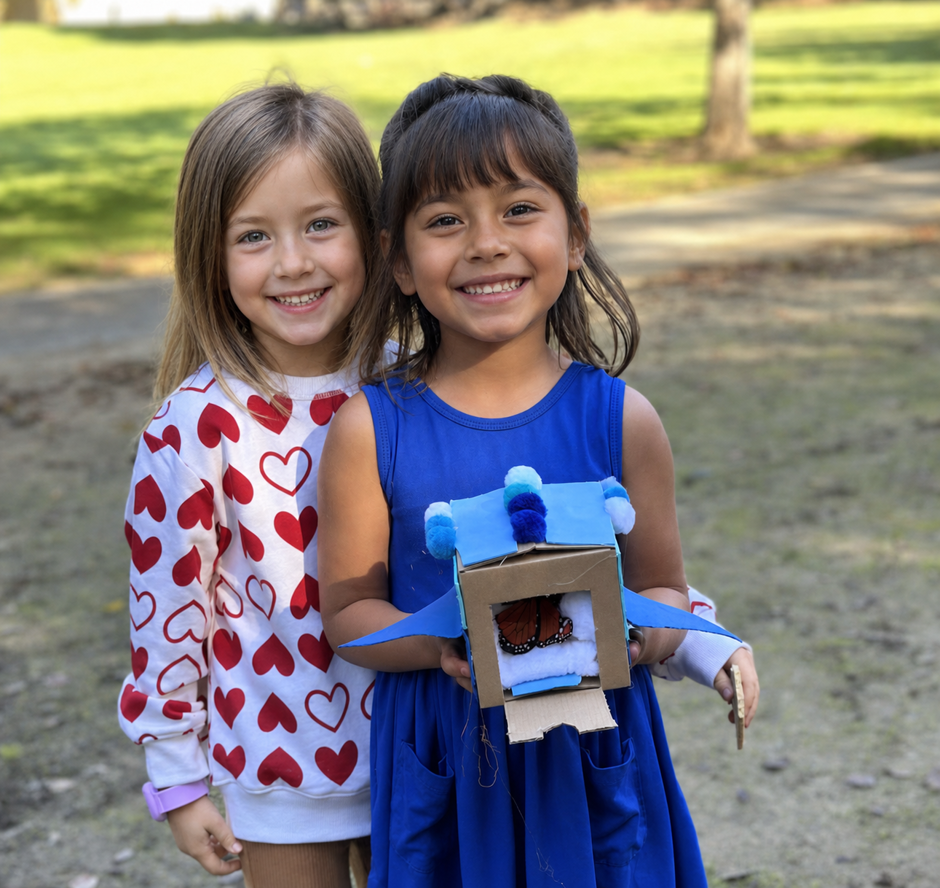
It was one of those dazzling December mornings—the air sharp with winter, the sky a brilliant, clear blue—when we challenged our Solution Squad to become insulation engineers. Instead of lecturing them on thermal dynamics, we handed them a problem: a fictional freeze was threatening our monarch butterflies, and they had to build real, physical sanctuaries to keep them warm.
This is where the resistance of real materials teaches what a textbook cannot. The children wrestled with wool scraps, layered felt, and packed cardboard, discovering that insulation isn't just about stuffing a box—it's about trapping air. They watched real, tiny thermometers with absolute gravity. When a design failed to hold the heat, they didn't get a low grade; they got a cold reading. They adjusted, repacked, and tested again, experiencing the quiet triumph of a rising mercury line.
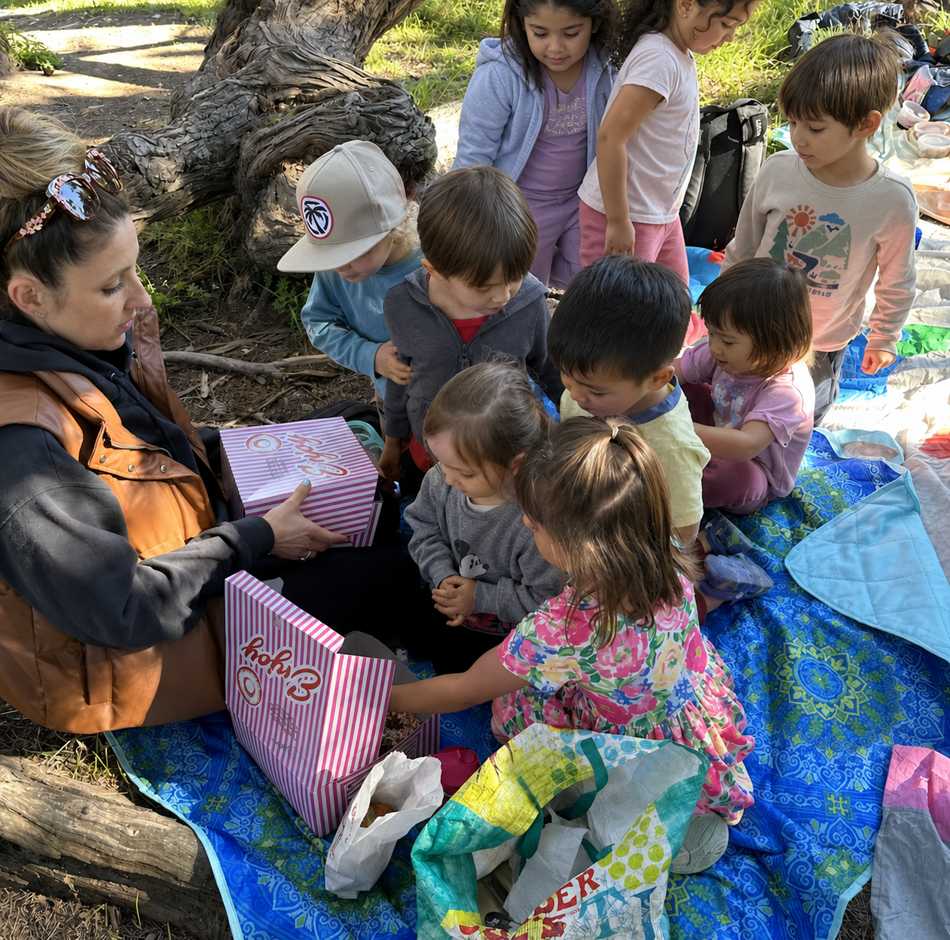
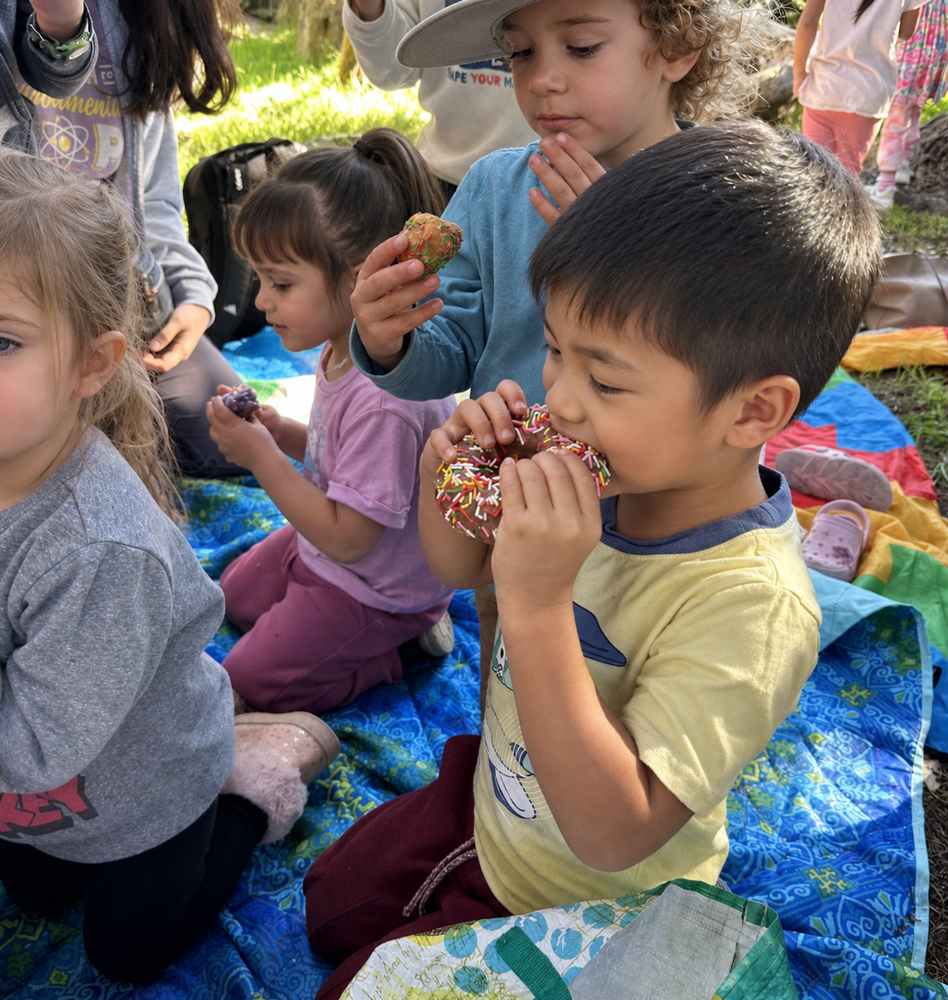
But the true test of an outdoor educator is knowing when to let the lesson plan go. Later in the week, we set out to see the overwintering monarchs at Natural Bridges, only to find the main boardwalk abruptly closed. Rather than turning back, we pivoted to Lighthouse Field. There, high in the eucalyptus canopy, we spotted a quiet cluster of monarchs. And then, a moment of pure, unscripted magic: a great horned owl roosted directly above us—massive, silent, and regal. We sat in a sheltered cypress grove, sharing donuts and watching this wild, fragile system exist exactly as it was meant to.
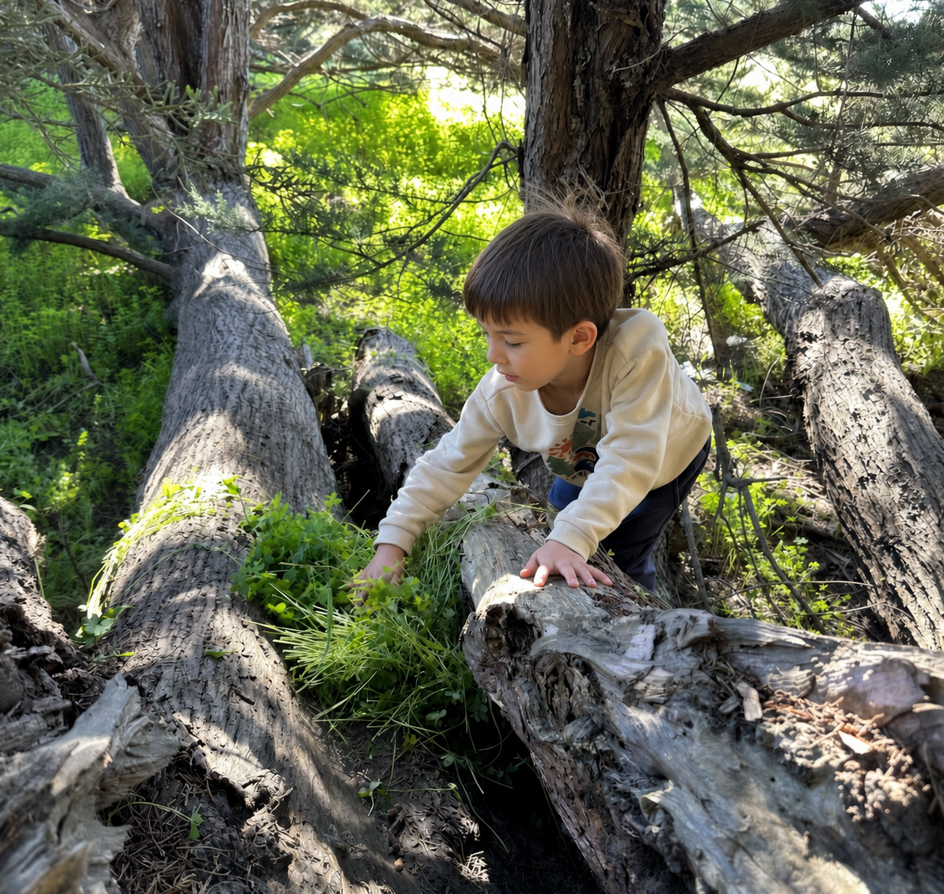
The afternoon dissolved into hours of unstructured branch-fort play. Without adult direction, the kids began moving heavy logs, climbing cypress roots, and weaving fallen branches to build 'creature homes' and defense stations. They weren't just playing; they were collaborating, negotiating space, and testing their own physical limits. It wasn't the day we had meticulously mapped out on paper, but it was unmistakably the day they needed.
In the end, we realized that our role isn't to script every outcome or shield children from the friction of a closed trail or a failing design. By creating rich conditions—a real thermal challenge, an unexpected detour, and a wild grove of trees—and then simply trusting them, we watched our children carry their learning into a space of deep, self-directed wonder that no classroom could ever replicate.
They weren't learning about insulation—they were discovering it: try, test, adjust, try again, with real data in their hands.
What this mission grew
This is a normal Tuesday.
Small groups. Real challenges. Kids in the lead. Come see what a week of missions looks like in your area.
Join the Founding Community →