The Fairy Story Workshop
On a drizzly morning beside a cold woodland creek, we launched our narrative unit by handing children wooden peg dolls, clay, and cloth scraps—discovering that before kids tell stories aloud, they inhabit them with their hands.
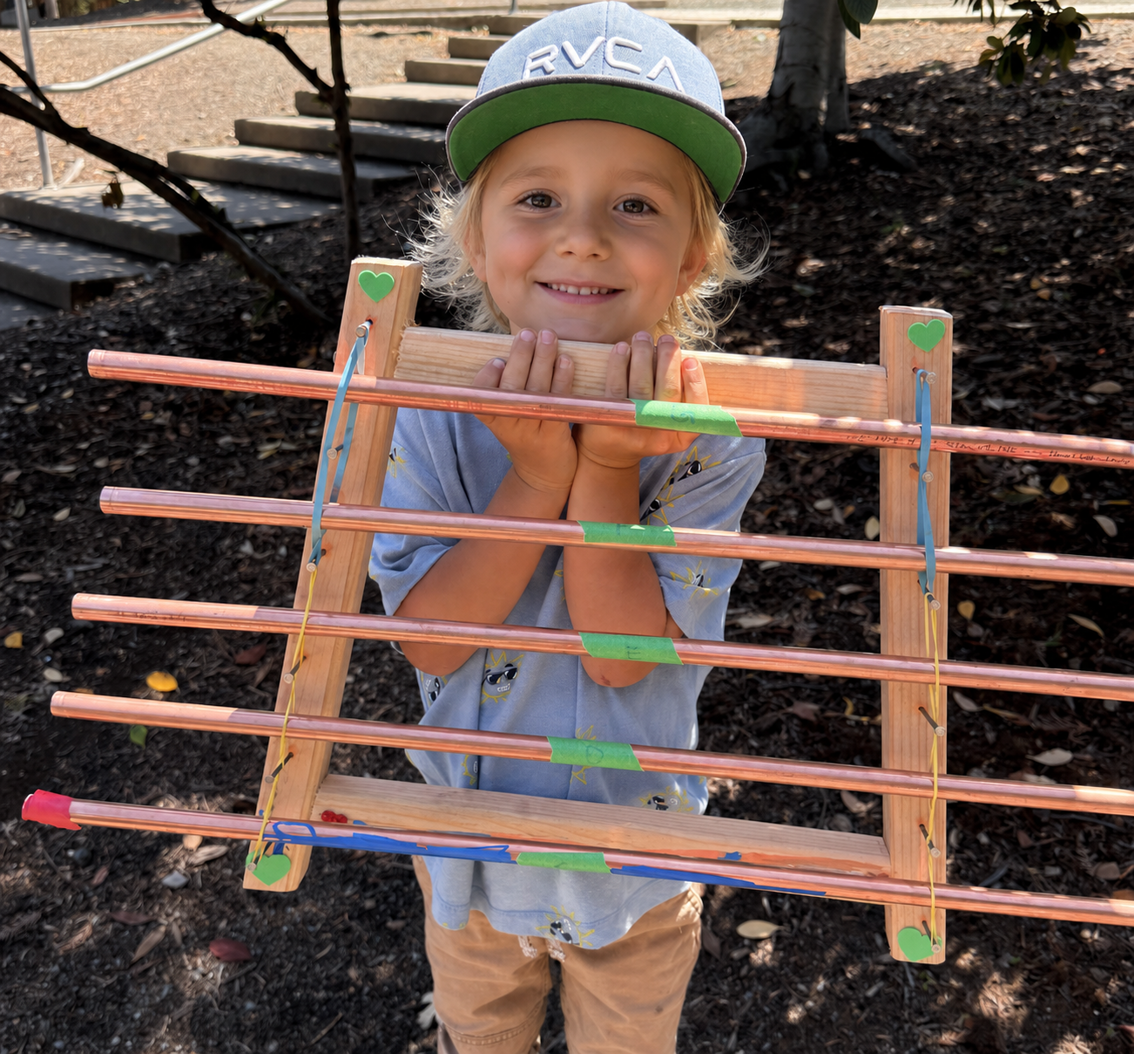
After months of technical engineering—building copper xylophones, simple machines, and heavy launch structures—we shifted into narrative architecture. Storytelling is not a break from physical making; it is the exact same design muscle applied to characters, settings, and conflicts. To open our final unit of the year, we gathered on blankets on an overcast, drizzly morning. Before the rest of the group had even unpacked their snacks, one child ran straight into the cold creek in her shoes, soaking her pants and jacket without a second thought. The cold meant nothing to her; she was already entirely immersed in her own world.
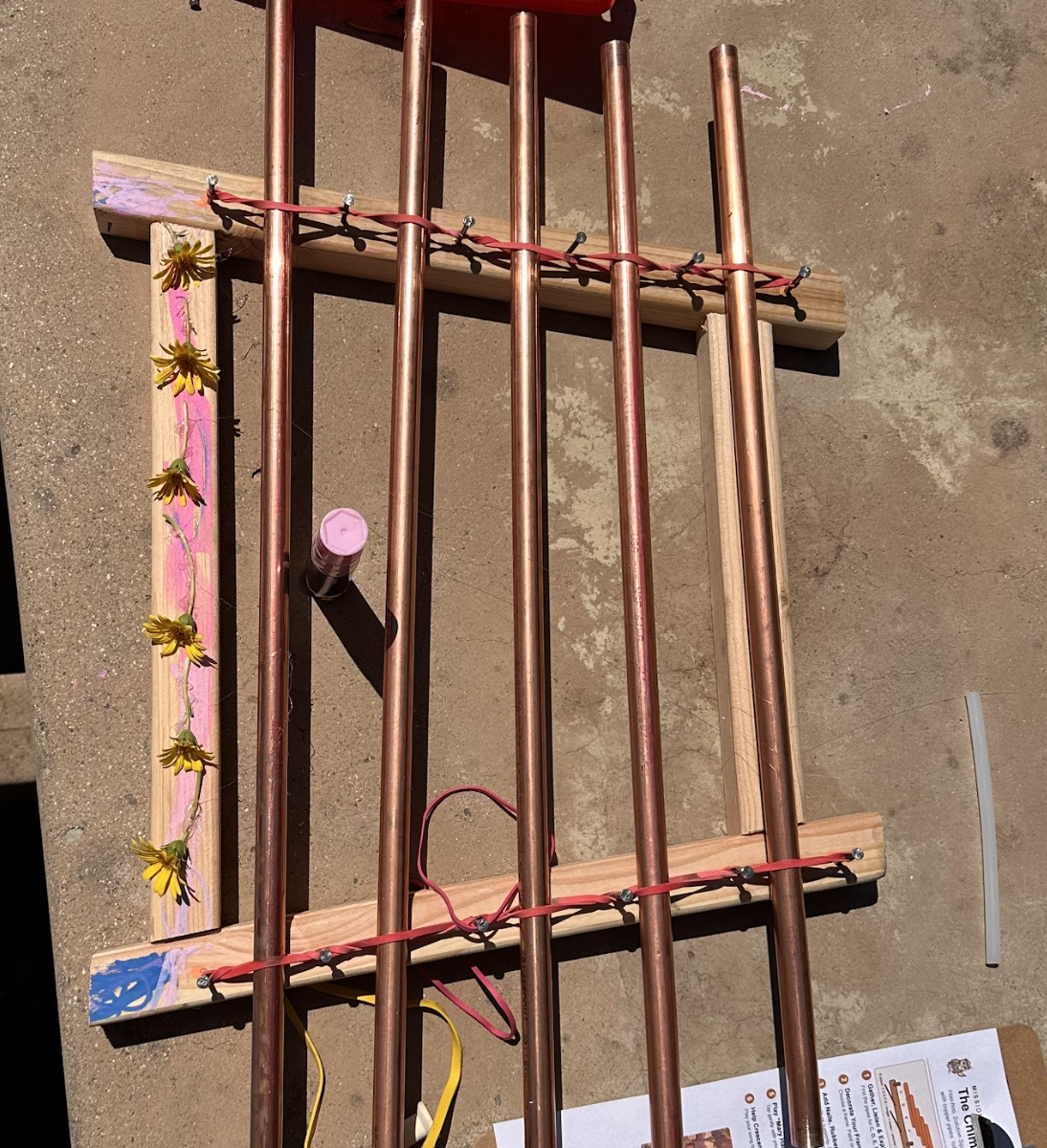
We framed the challenge around a character named Dargo, who had changed her ways but didn't know how to create new stories. To teach her, the kids needed to craft worlds of their own. Spread across the blankets were raw wooden peg dolls, clay, fabric scraps, cardboard boxes, and acrylic paint pens. We had naively expected each child to paint a single fairy and outline a simple problem and solution. Instead, their design thinking exploded: almost every child insisted on constructing entire fairy families and interconnected communities. The materials triggered a continuous chain reaction of creativity—a scrap of green felt suggested a forest cloak, which demanded a mossy shelter, which required a neighboring clan.
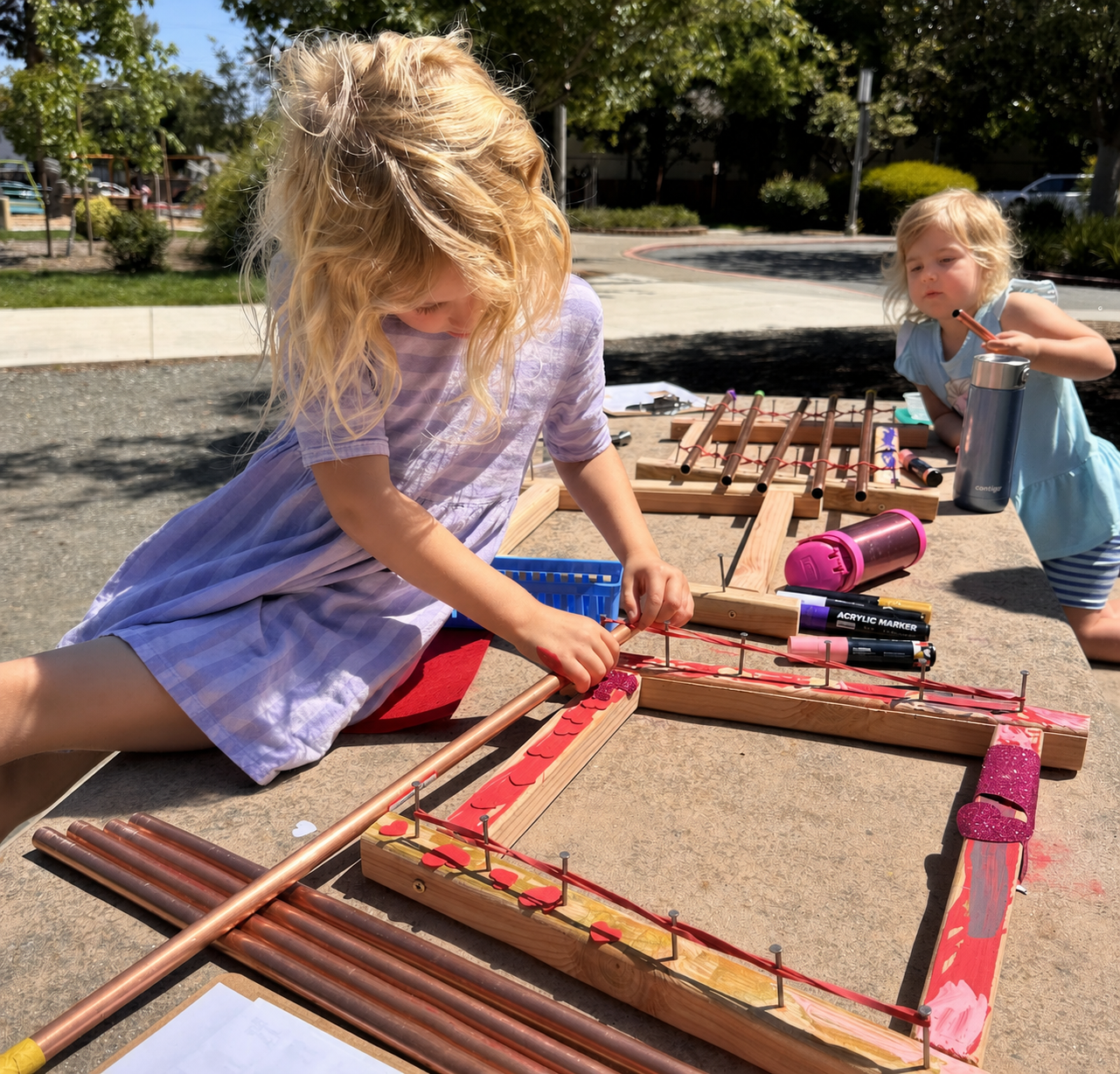
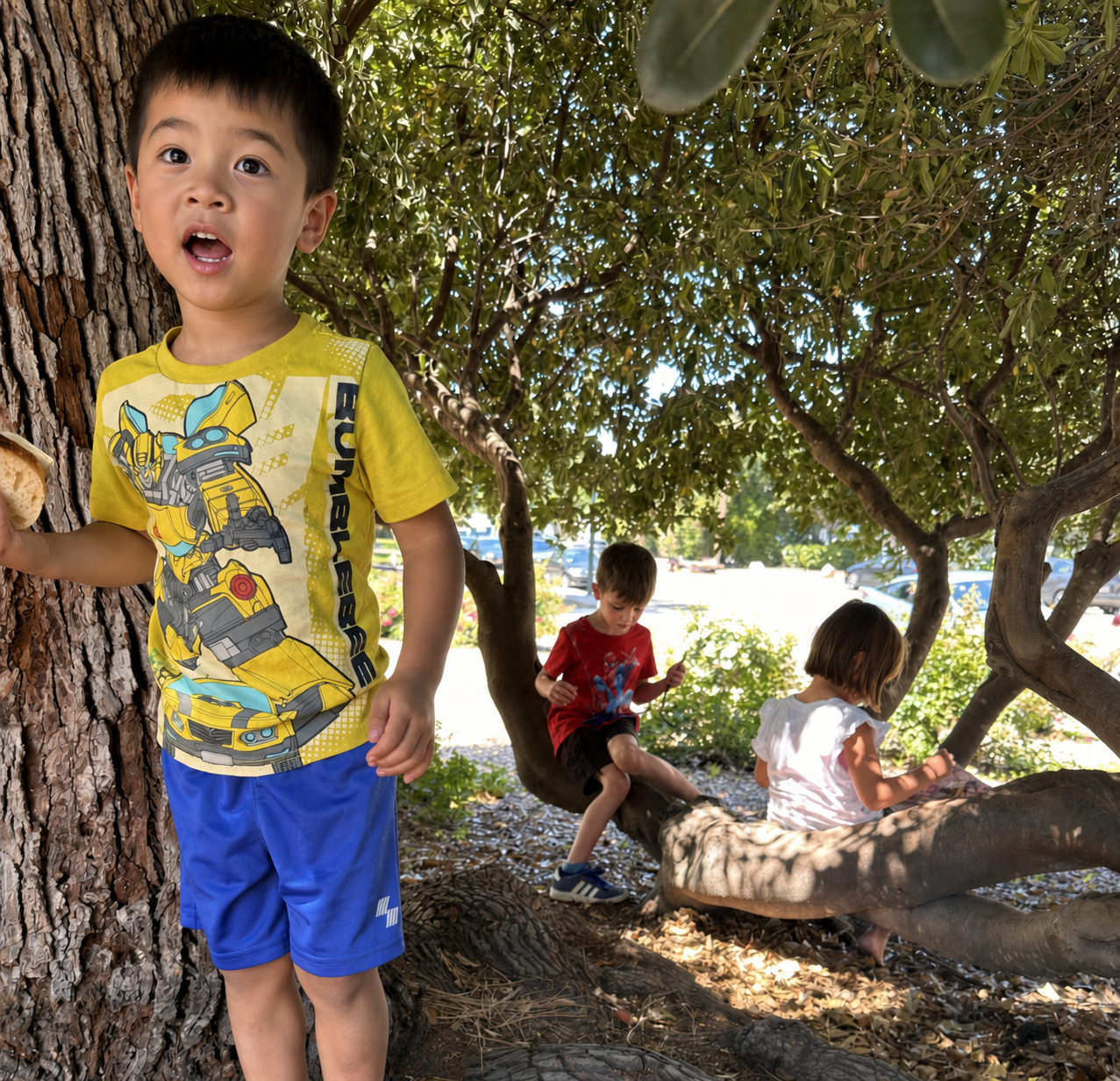
As adults, we had arrived with a clean pedagogical sequence: paint a character, build a setting, state a problem, present a solution, and recite the story aloud to a partner. But child narrative does not execute on an adult schedule. Reciting structured plots on demand was at the bottom of the kids' priority list; they were far more interested in living inside the tactile world they were physically constructing. Yet deep story logic was unfolding everywhere: Leo systematically built his setting and quietly narrated his plot to Nora just before noisy park machinery drowned out the air, while Sam spent nearly an hour crafting an elaborate, multi-layered storyline alongside his mother while sculpting.
When their hands finally grew tired of paint and clay, the play didn't end—it simply moved. The kids dispersed into the cold creek water, scrambled across seesaws, and scaled monkey bars, carrying the lingering mythology of their fairy worlds straight into physical motion. We learned that young children do not need to deliver a formal oral presentation to be doing serious literary work. When you offer rich raw materials and trust their imaginative drive, story structure emerges organically from the ground up.
An adult hands a child a peg doll and expects a linear speech; a child takes a peg doll and builds an entire unseen cosmos.
What this mission grew
This is a normal Tuesday.
Small groups. Real challenges. Kids in the lead. Come see what a week of missions looks like in your area.
Join the Founding Community →