Stardust Defense
How do you teach the physics of granular materials to five-year-olds? You don't lecture them on packing fractions; you ask them to engineer layered stardust shields to ward off a galaxy-shadowing dragon.
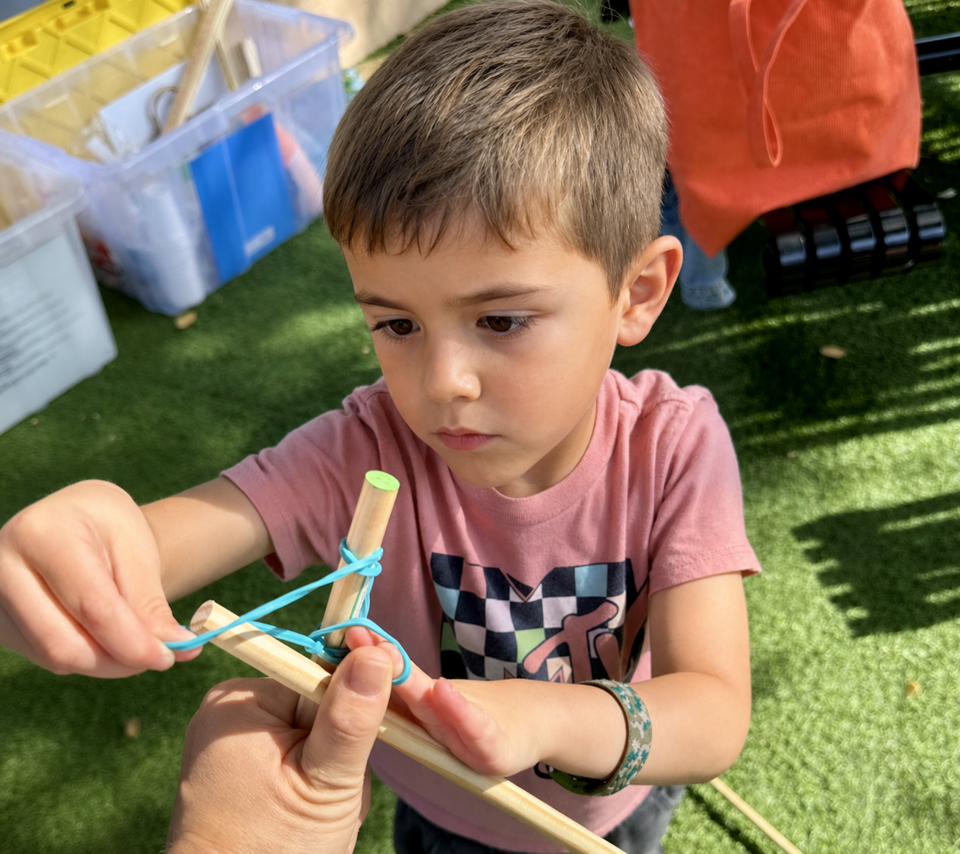
We began our morning under the canopy of the redwoods, leaping across the roots in an intense game of 'The Floor is Lava' and singing 'Rocketship Run' until we collapsed onto our blanket. At Skip School, we treat this kind of free play not as a transition or a distraction, but as the essential cognitive warm-up. When Professor Hootenanny delivered our mission prompt—that Dargo the Dark Dragon was returning to plunge our world into shadow—the children's minds were already fully inhabited by the narrative. They didn't just see jars of sand and stone; they saw glowing stardust that needed to be engineered into protective light shields.
The core challenge was an elegant, disguised lesson in materials science. Fine sand, coarse grit, and rough pebbles all behave differently when stacked. The children quickly encountered the physical resistance of their materials. Pour too quickly, and the distinct layers mixed into a muddy gray; stack heavy pebbles directly on top of loose sand without a buffer, and the structure slumped, bringing a sudden wave of frustration and lost progress. Rather than stepping in to correct their techniques, we let the materials do the teaching. Nora and Kai poked, poured, and iterated, realizing through trial and error how to stabilize their structures.
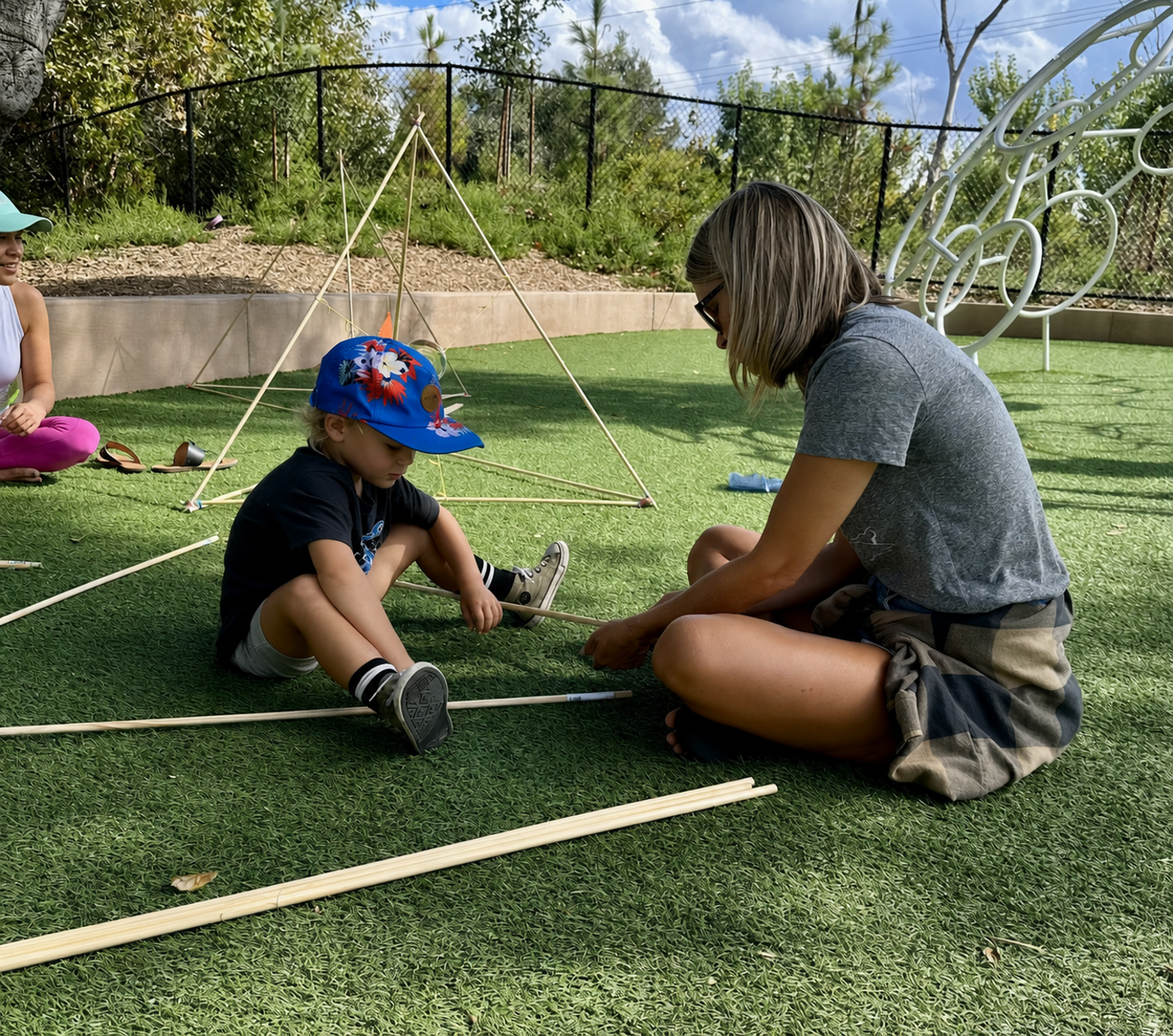
There was no single correct shield and no answer key hidden behind the activity. Each child had to decide what arrangement felt stable, what pattern made the light move, and how to explain the choices they had made. By the time the bottles were sealed, density and settling were no longer vocabulary words; they were physical intuitions formed through pouring, watching, revising, and trying again.
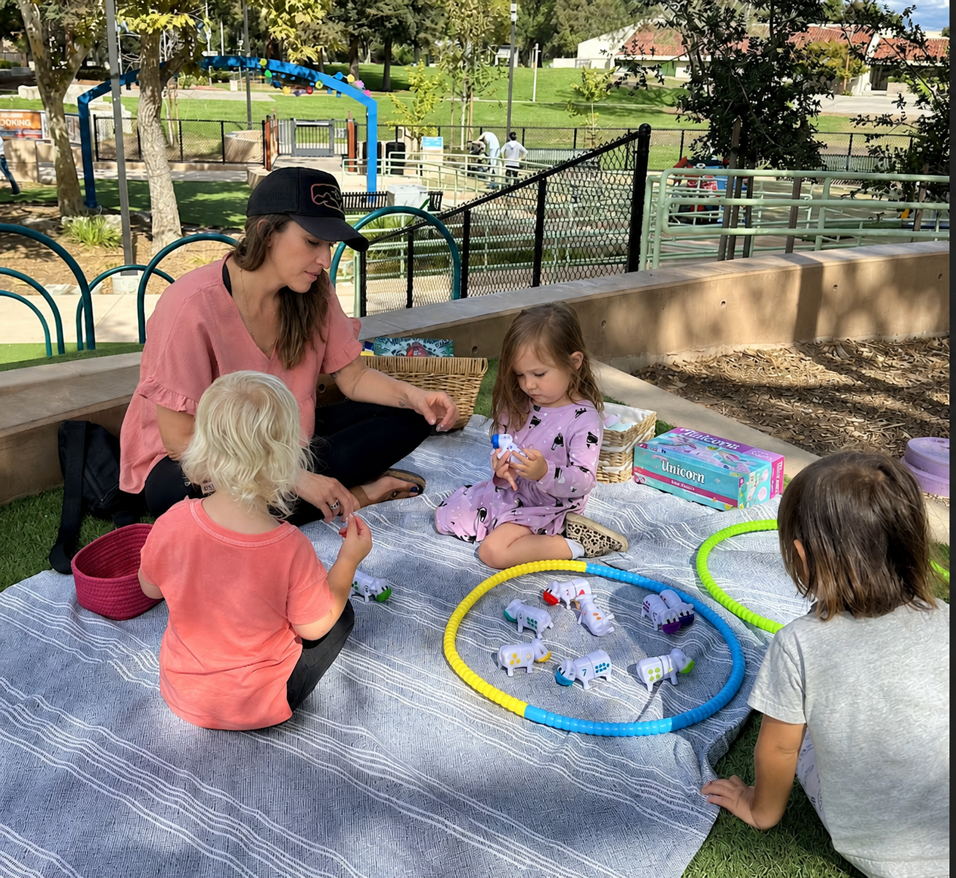
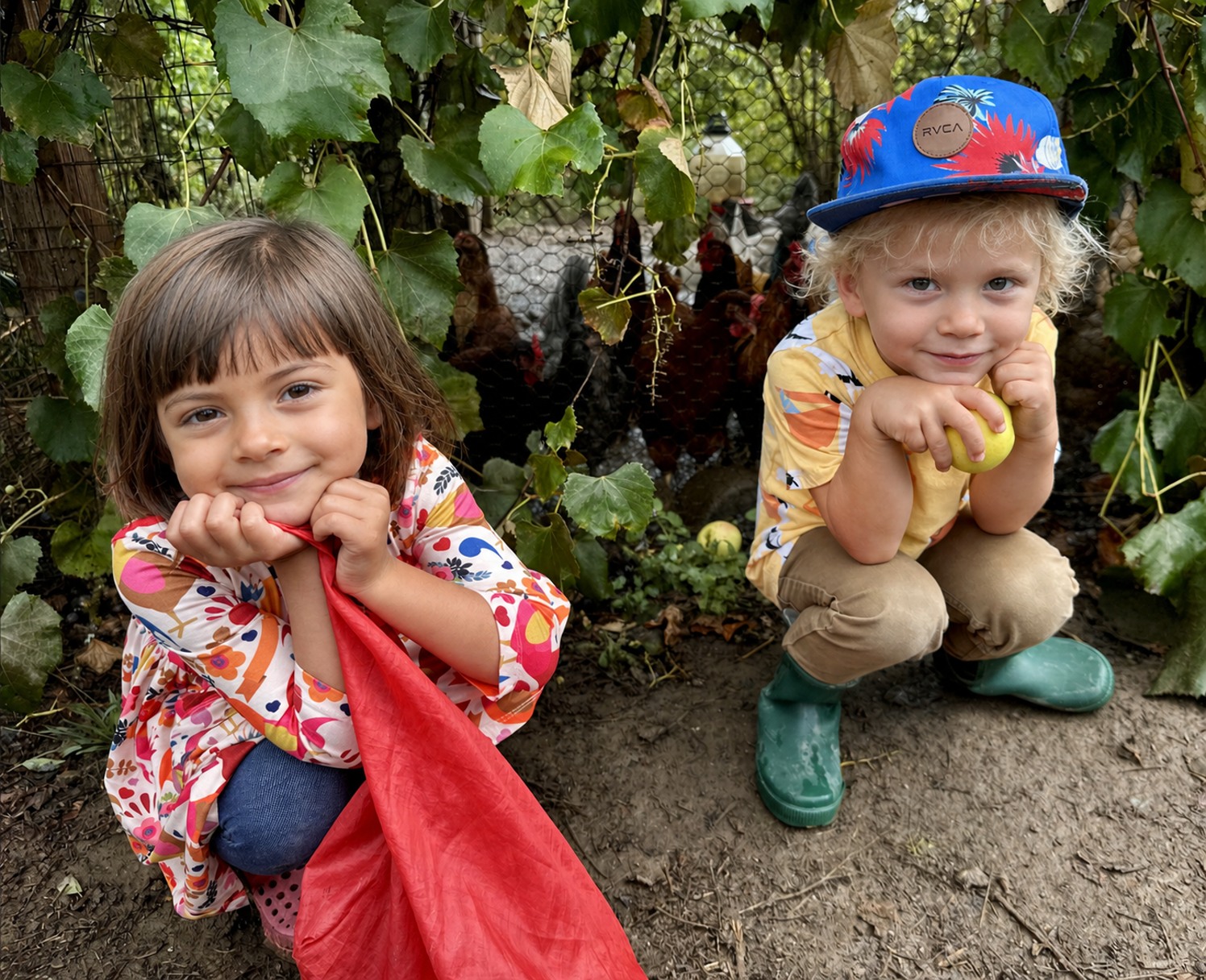
We don't need to shield children from complexity. When we let them struggle with the resistance of real materials, they build cognitive frameworks that words cannot yet capture.
What this mission grew
This is a normal Tuesday.
Small groups. Real challenges. Kids in the lead. Come see what a week of missions looks like in your area.
Join the Founding Community →