Pulley Power
When a challenging build met an unseasonable heat wave, we learned to embrace the friction of design—shifting from complex pulley mechanics to intuitive creek-side boat building.
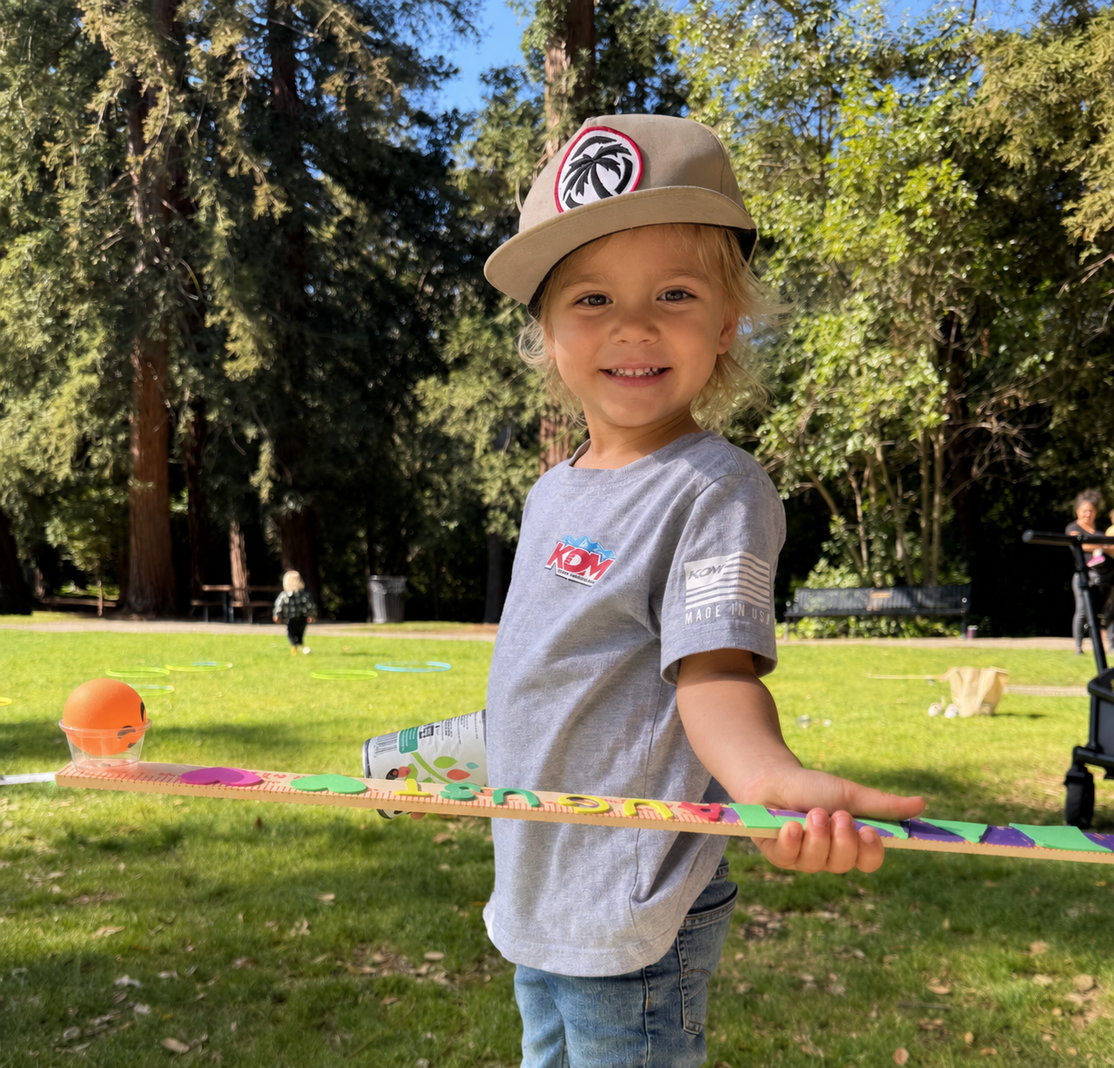
Our exploration of simple machines brought us to the pulley—a conceptually tricky mechanism for five- and six-year-olds. On an unseasonably hot morning, we gathered under the shifting shade of the park to build pulley-powered traps. We quickly realized we had skipped a crucial step: many of the children didn't actually know what a leprechaun was! But once we established the premise of a tricky, fast-moving target, the design challenge was set: thread a pulley, weight a cage with heavy metal nuts, and design a hair-trigger release.
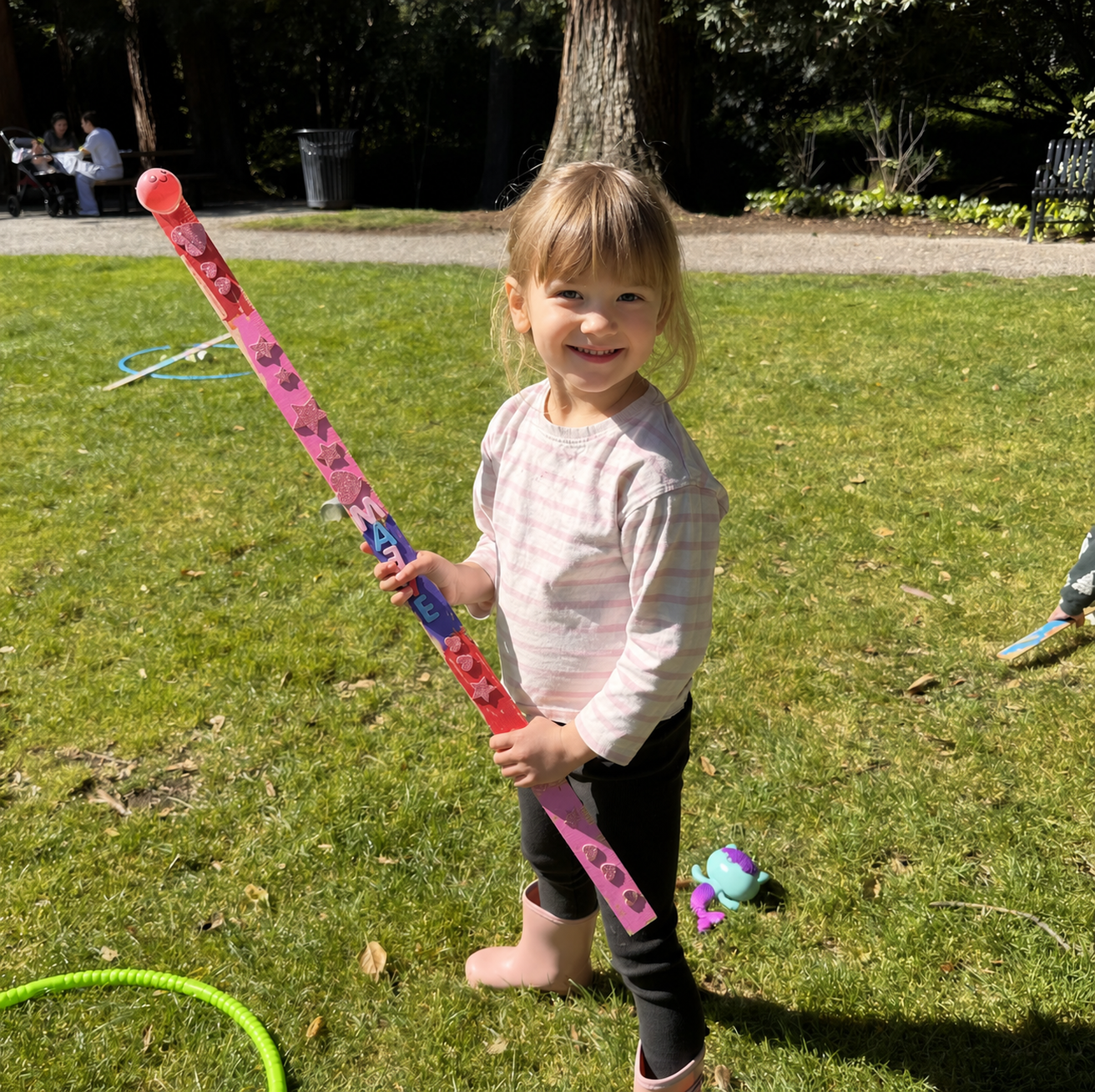
This mission tested our pedagogical boundaries. The mechanical precision required for a functional trigger flipped our target 80/20 kid-to-adult work ratio on its head. For a moment, we felt the friction of a lesson that wasn't landing perfectly. Yet, the children stepped into the role of creative directors. Kieran designed a toy car to hold down his trigger string, while others experimented with weights. When the heat grew intense, the children instinctively migrated to the cool, shady branches of a nearby cypress grove, leaving parents to help finalize the mechanics. We realized that the mission didn't end at the park; it lived on as Nora took her trap home, spending hours fine-tuning it in her garden where she felt the wild things actually lived.
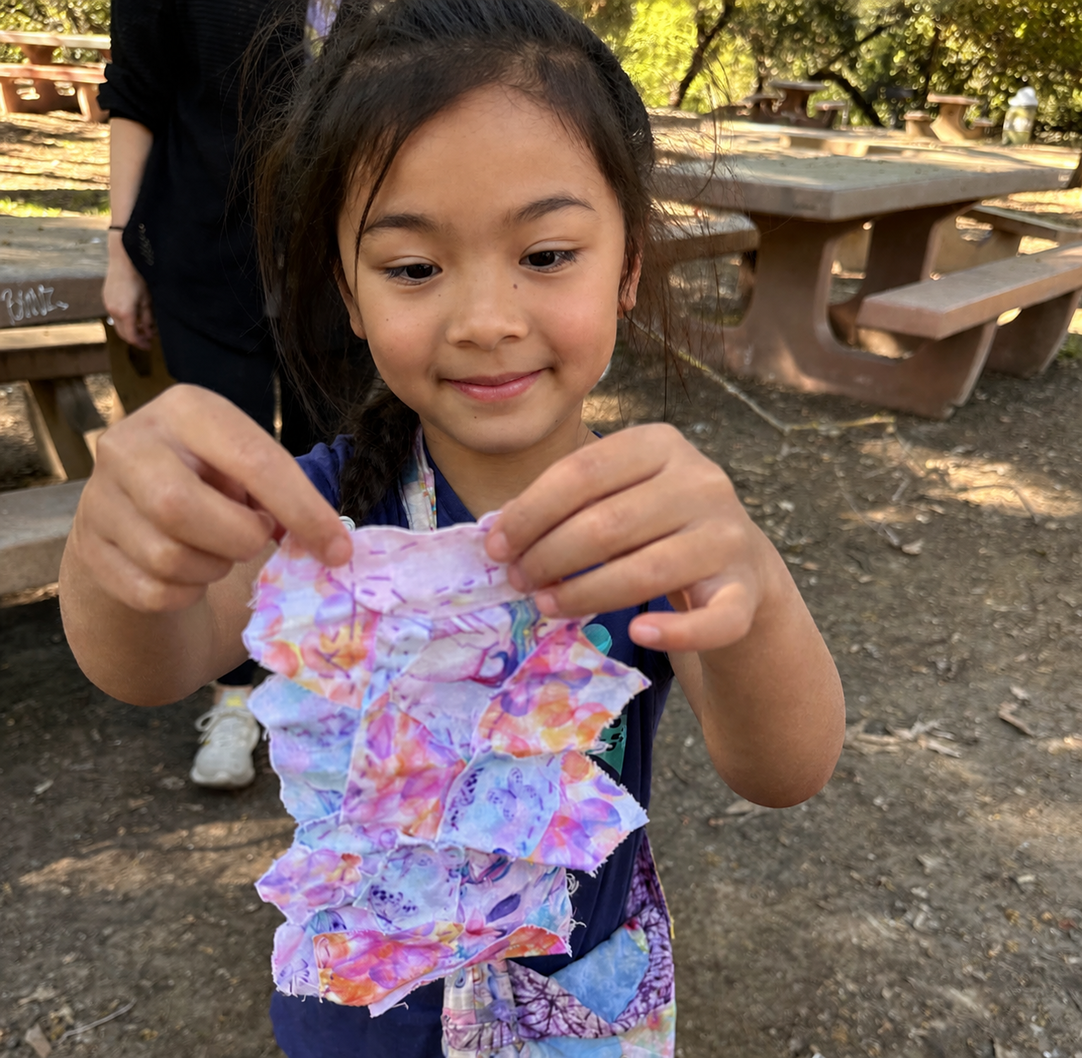
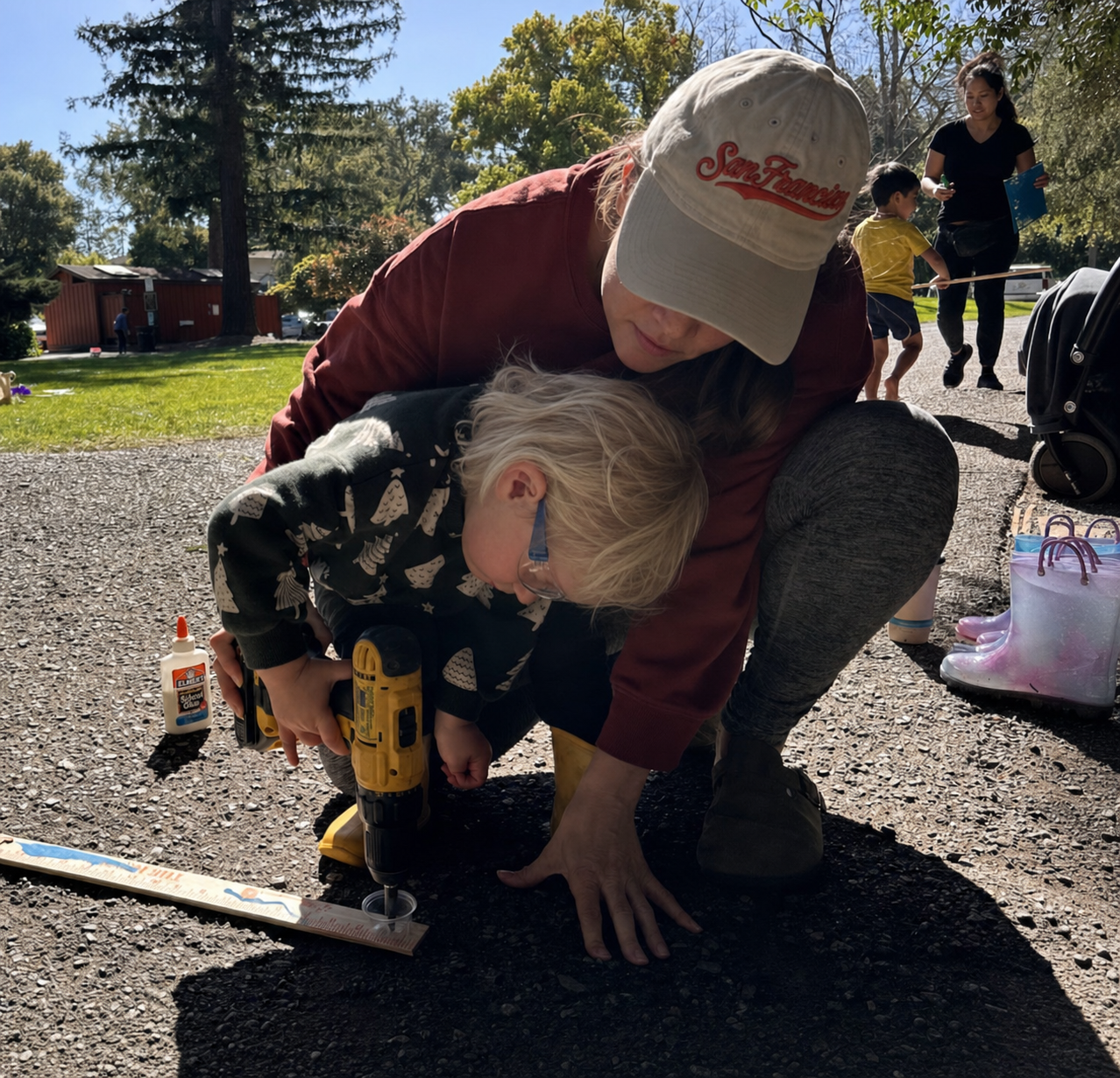
The real magic of this friction-filled week revealed itself on Thursday at the creek. Nora, just five years old, stepped up to lead a peer lesson. Though she had planned to teach drawing, she pivoted to boat-building, guiding her friends to ford the creek, gather large leaves for sails, and construct vessels for their toy creatures. As we watched older children from another group struggle with basic construction tools, we had a profound realization: our young explorers, through constant hands-on trial and error, had already built the muscle memory and problem-solving confidence that others lacked. The friction of Tuesday was the very catalyst that made Thursday's self-directed triumph possible.
The friction—the things that feel hard, that don't land exactly the way you hoped—is a sign of something good. It means there's room to grow, and that we are building the muscle memory of staying with a problem.
What this mission grew
This is a normal Tuesday.
Small groups. Real challenges. Kids in the lead. Come see what a week of missions looks like in your area.
Join the Founding Community →