Desert Sunset Maker
When a tiny glow-lizard was lost in a swirling sandstorm, our children experimented with viscosity, density, and light to capture the calming weight of a desert sunset in a bottle.
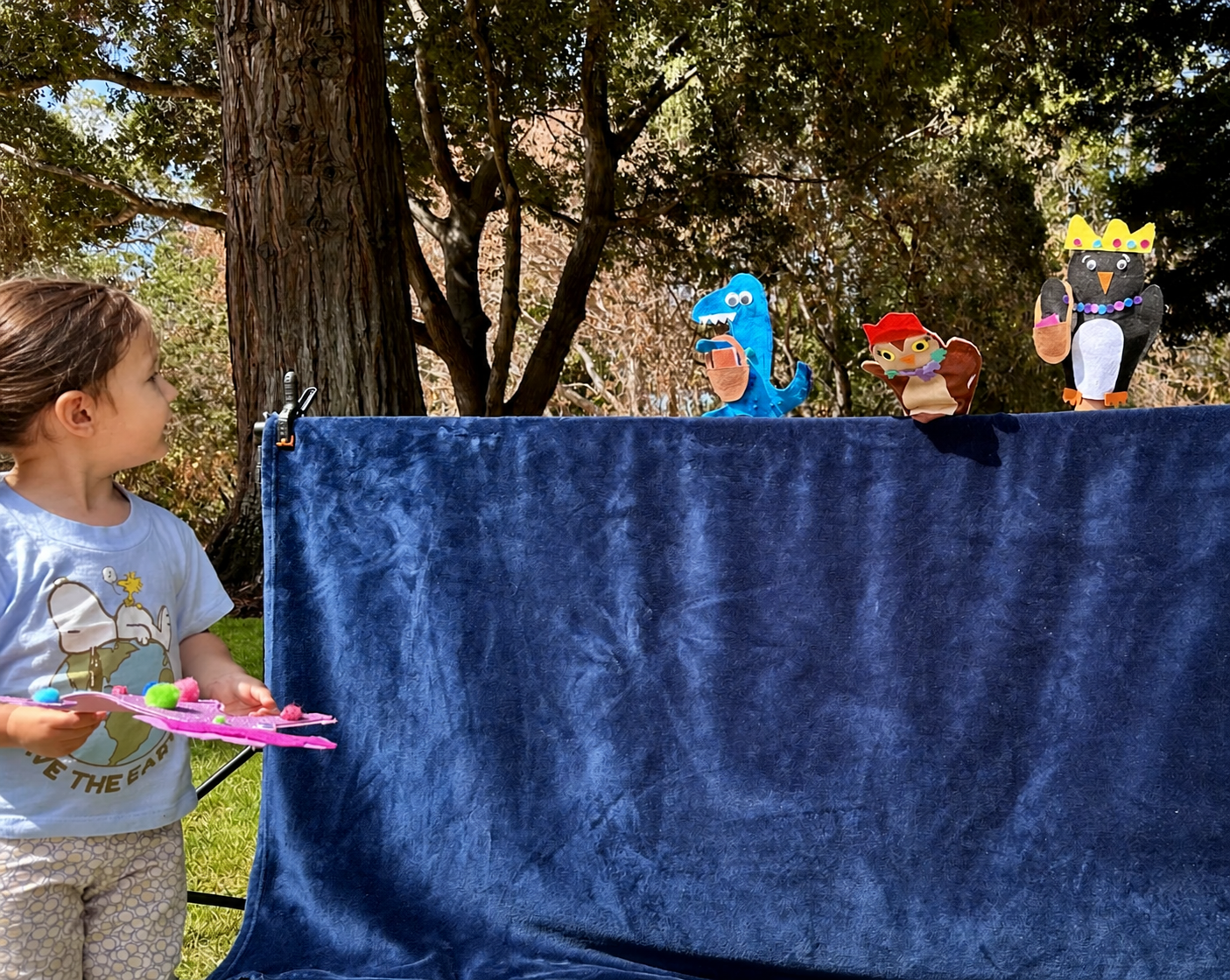
The mission began with a mystery. Our guide, Penelope the Penguin, had lost her memory of the day's challenge. Rather than stepping in to solve it for them, we watched the children hunt down hidden egg fragments containing clues to jump-start her memory. Once assembled, the message was clear: Zippy, a tiny glow-in-the-dark lizard, was lost in a shimmering desert dust storm. To guide him home, the children needed to engineer a 'sunset bottle'—a self-contained sanctuary of settling, golden light.
This wasn't just a craft; it was an encounter with the stubborn physical properties of real materials. The children insisted on lifting the heavy, unwieldy jugs of mineral oil and glycerin themselves, feeling the sluggish drag of high-viscosity liquids as they carefully measured and poured. There is no single 'correct' way to build a sensory bottle, which freed the children to focus entirely on the physics of suspension. They flooded the materials table, grabbing handfuls of glitter, pipe cleaners, and tiny charms, observing how different liquid ratios slowed or accelerated the descent of the shimmering particles.
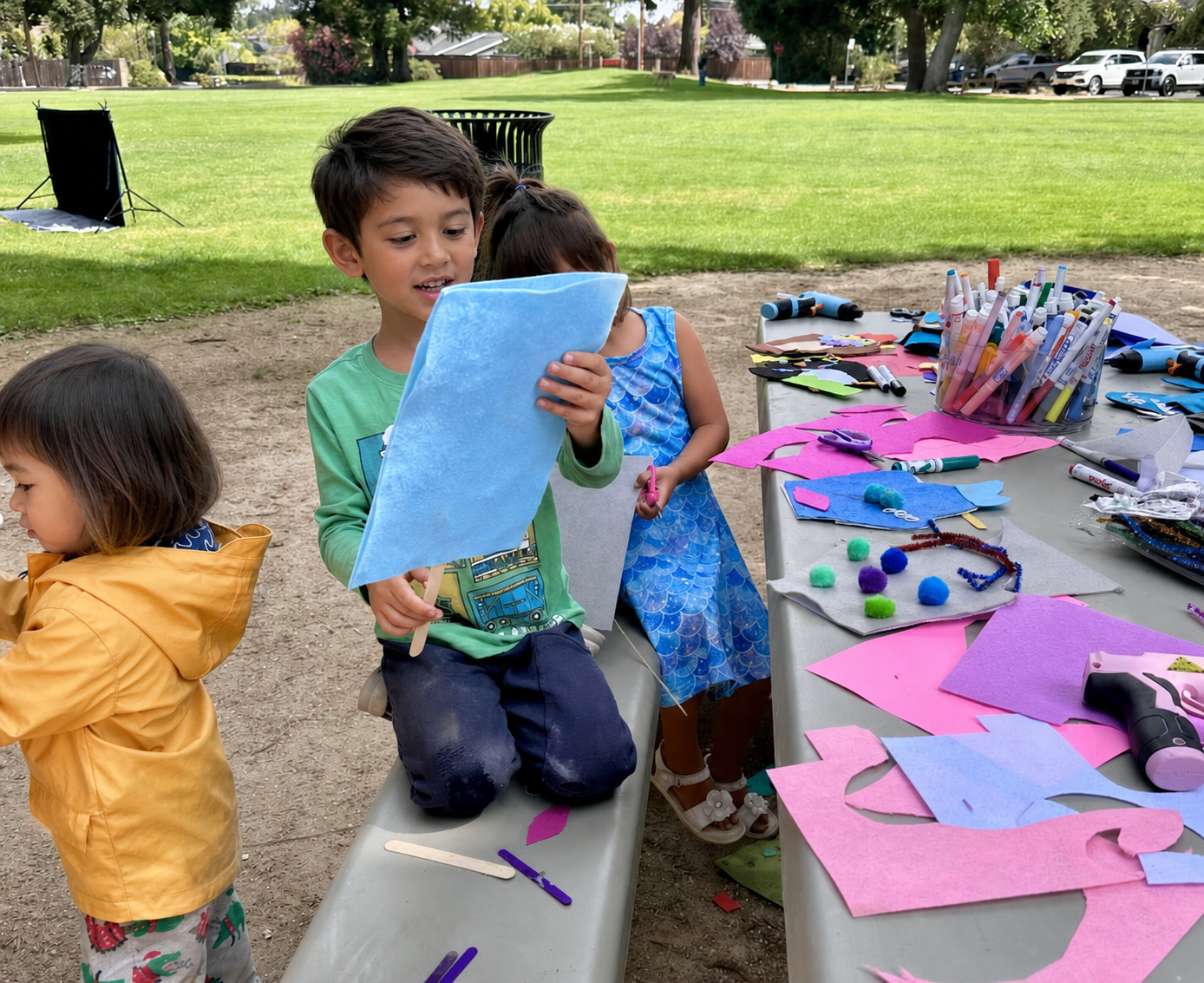
We watched the children grapple with the physical weight of the oils and the slow, hypnotic drift of the glitter. In letting go of a rigid 'right way' to build, they found their own rhythm between scientific inquiry and pure, calming artistic expression.
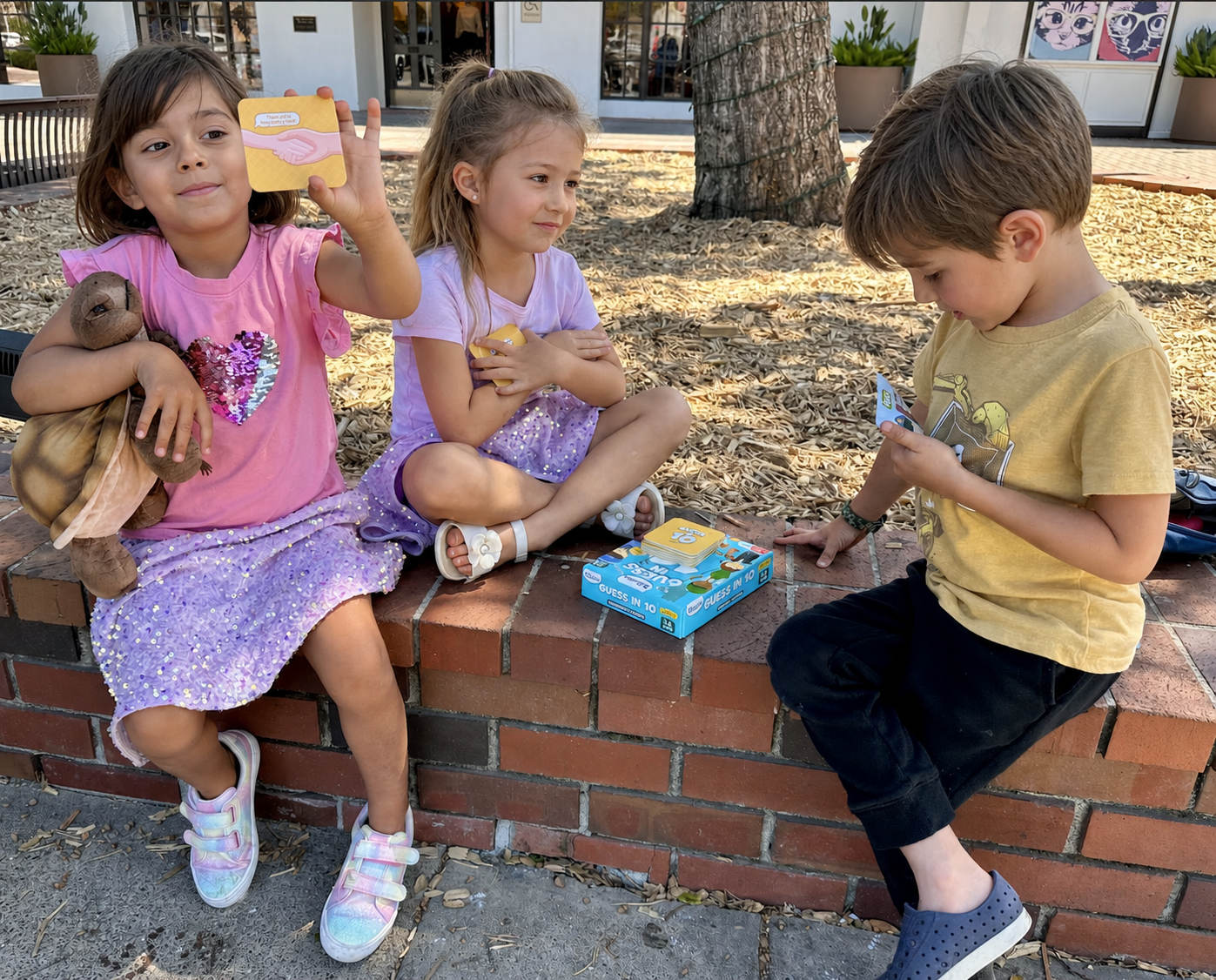
Once their bottles were filled, the structured challenge dissolved into rich, self-directed play. Over a shared picnic lunch, the children swapped stories of family trips and imaginary worlds, then scattered across the park to climb, dig in the sand, and chase one another. When a light drizzle began to fall, Liam, Arthur, Nora, and Eli didn't run for cover. Instead, they grabbed sidewalk chalk and began sketching a massive desert landscape on the damp pavement, integrating the falling raindrops directly into their chalk art.
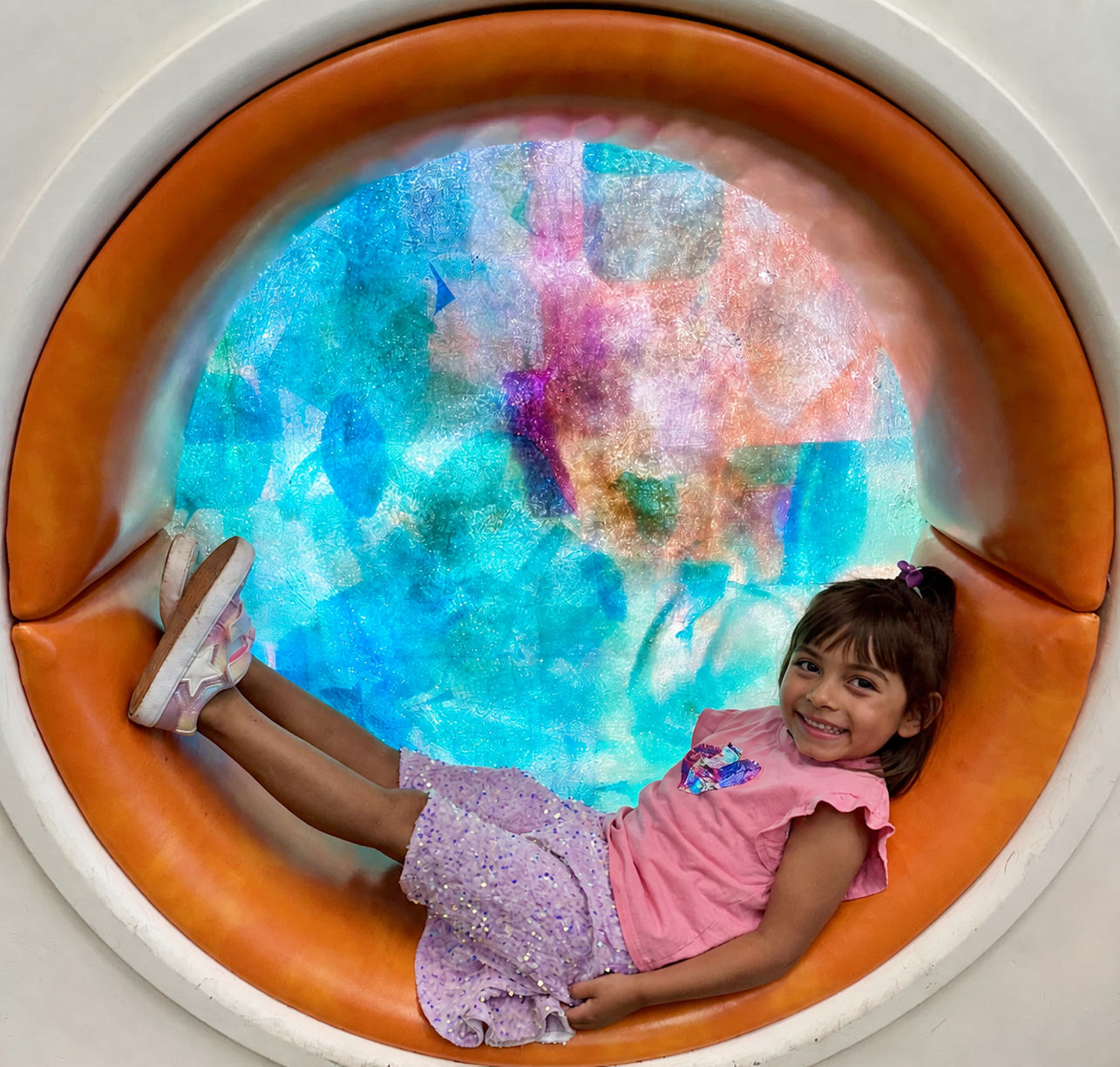
The true measure of a Skip School mission is where the learning goes when the session ends. We don't design for a neat, closed-loop curriculum; we design to spark something that carries forward. That afternoon, Nora went home and, entirely on her own initiative, gathered spare jars and liquids to teach her sister Grace how to build sunset bottles. By creating rich conditions and stepping back, we trust our children to carry their discoveries into spaces we could never have scripted.
What this mission grew
This is a normal Tuesday.
Small groups. Real challenges. Kids in the lead. Come see what a week of missions looks like in your area.
Join the Founding Community →