The Critter Allies
The challenge: invent a creature so strange and powerful that no villain could ever figure out how to stop it. Then build it — from scratch.
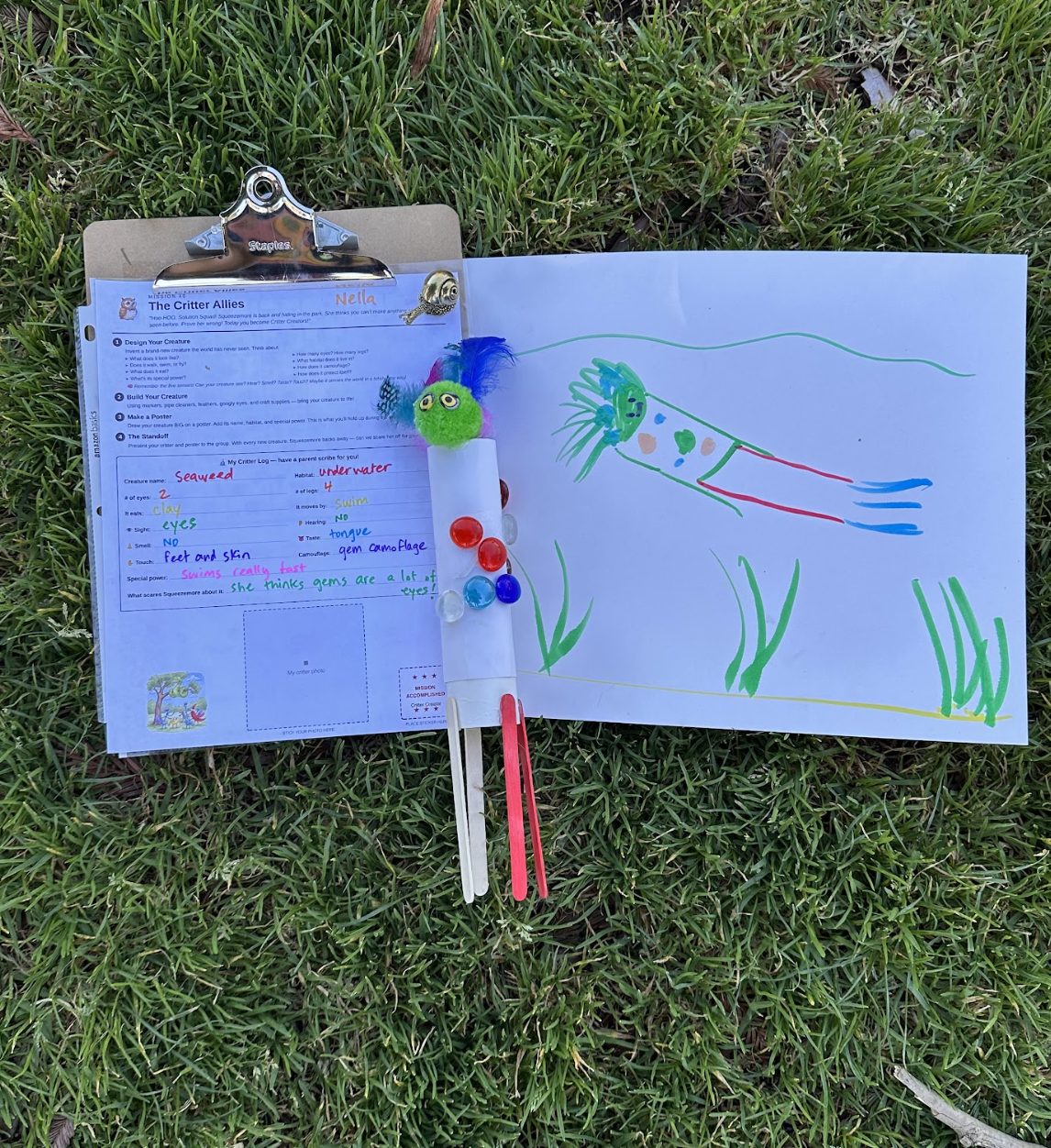
The challenge sounded playful: invent a creature so strange, capable, and original that even Squeezemore the anaconda wouldn't know how to stop it.
But beneath the feathers, clay, wool, pipe cleaners, and seventy-two googly eyes was something much deeper. This was the final mission in our study of the Living Web, and the children weren't being asked to repeat what they had learned. They were being asked to transform it.
Over the preceding weeks, they had built wormeries, designed cricket habitats, cared for hornworms, watched creatures grow, and experienced the uncertainty that comes with tending living things. Some caterpillars thrived. Some didn't. The children learned that nature does not always follow our plans — and that stewardship requires patience, attention, and the willingness to keep caring anyway.
Now they had to draw on that lived knowledge to create a new species of their own. Every critter needed a habitat, a diet, an adaptation, and a special power. The science was embedded inside the story.
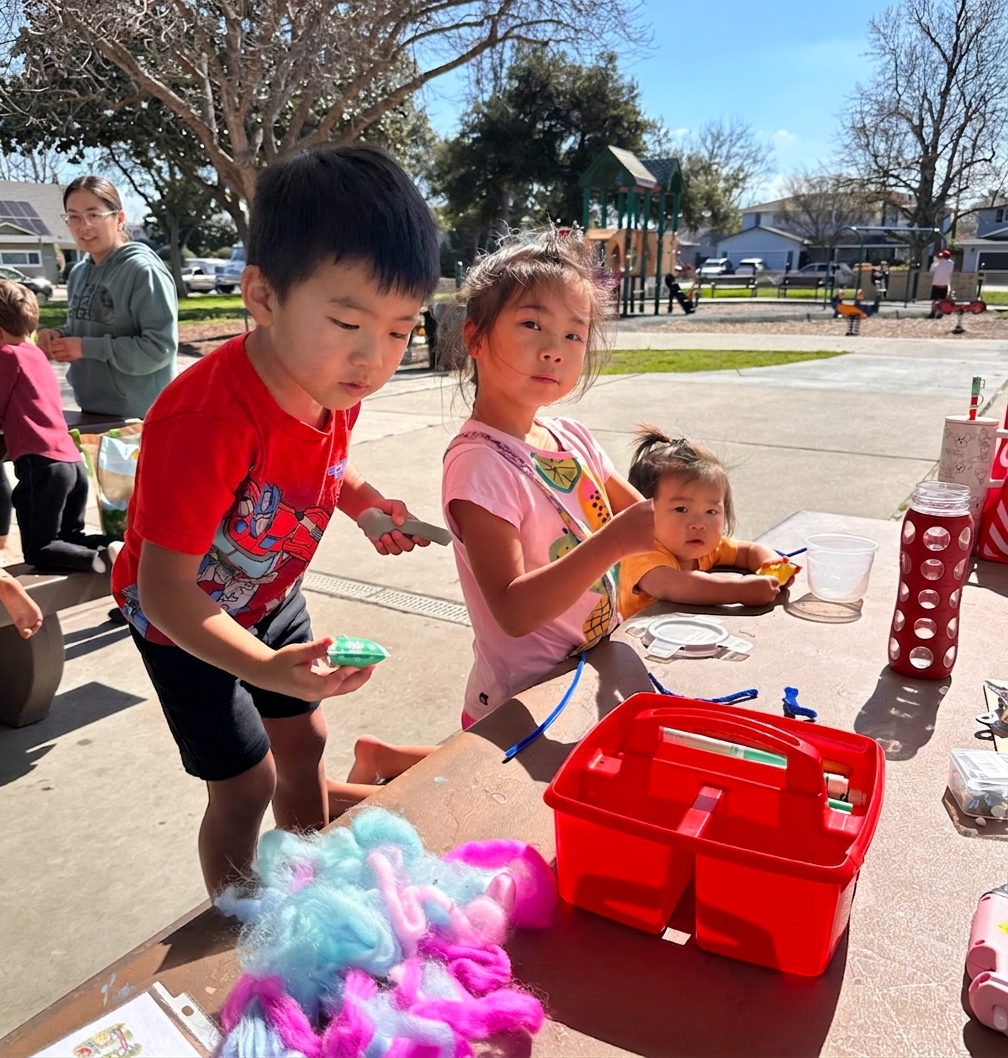
As soon as the challenge was announced, the children scattered toward the materials. Each arrived with an idea, but the materials had ideas too. Clay sagged. Wool tangled. Shapes refused to hold. Favorite colors ran out. Plans changed halfway through.
That resistance mattered. At Skip School, creativity is not about producing a predetermined craft that matches the adult example. It is the conversation between imagination and reality: What are you trying to make? What do you have? What will you try when your first idea doesn't work?
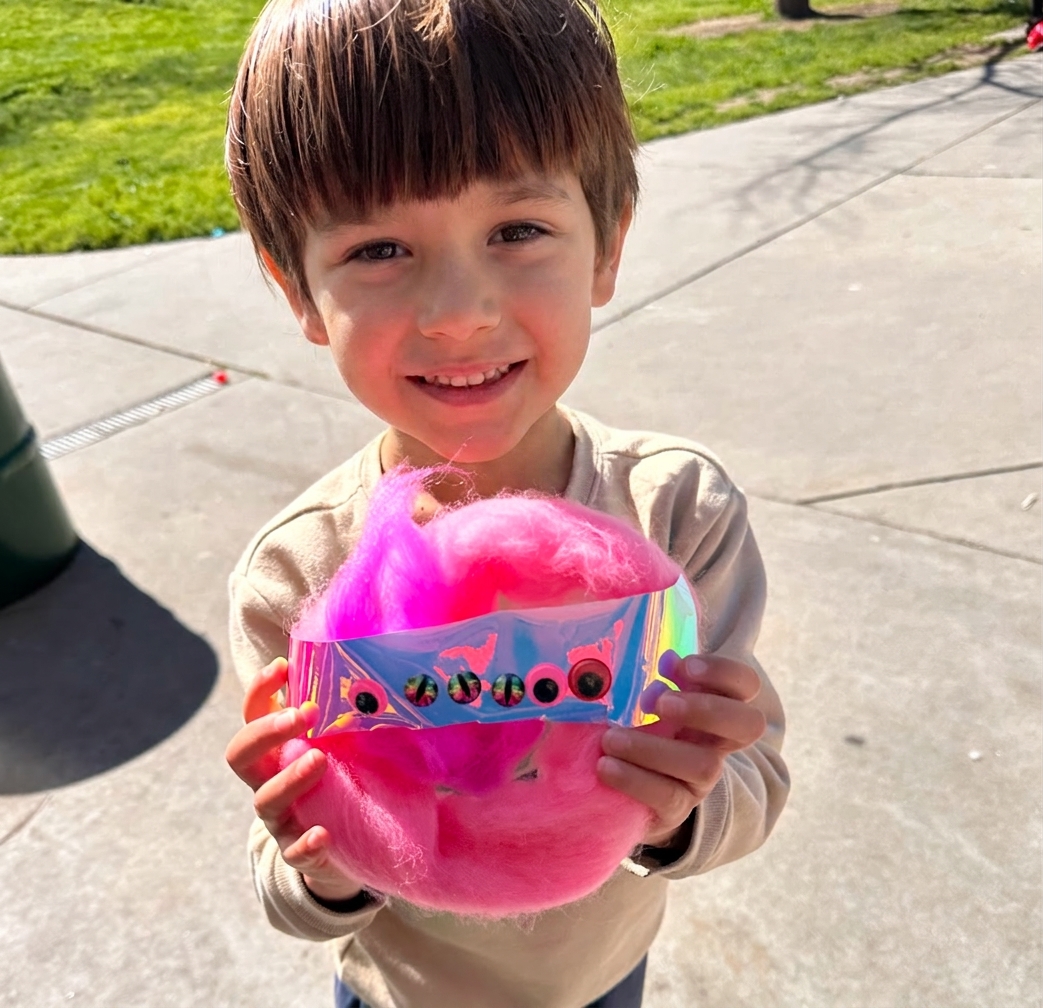
One child covered a two-headed creature with seventy-two carefully counted eyes. Another used a finger-crocheting skill she had been practicing at home to knot pink wool into something resembling cotton candy come alive. "Little Bob" had a fuzzy green belly that camouflaged him in his habitat — but could deploy fire and terrible arms when threatened. "Glerty" had feathers, antennae, iridescent colors, and a devastatingly loud tweet-tweet.
No two creatures looked remotely alike. That was the point.
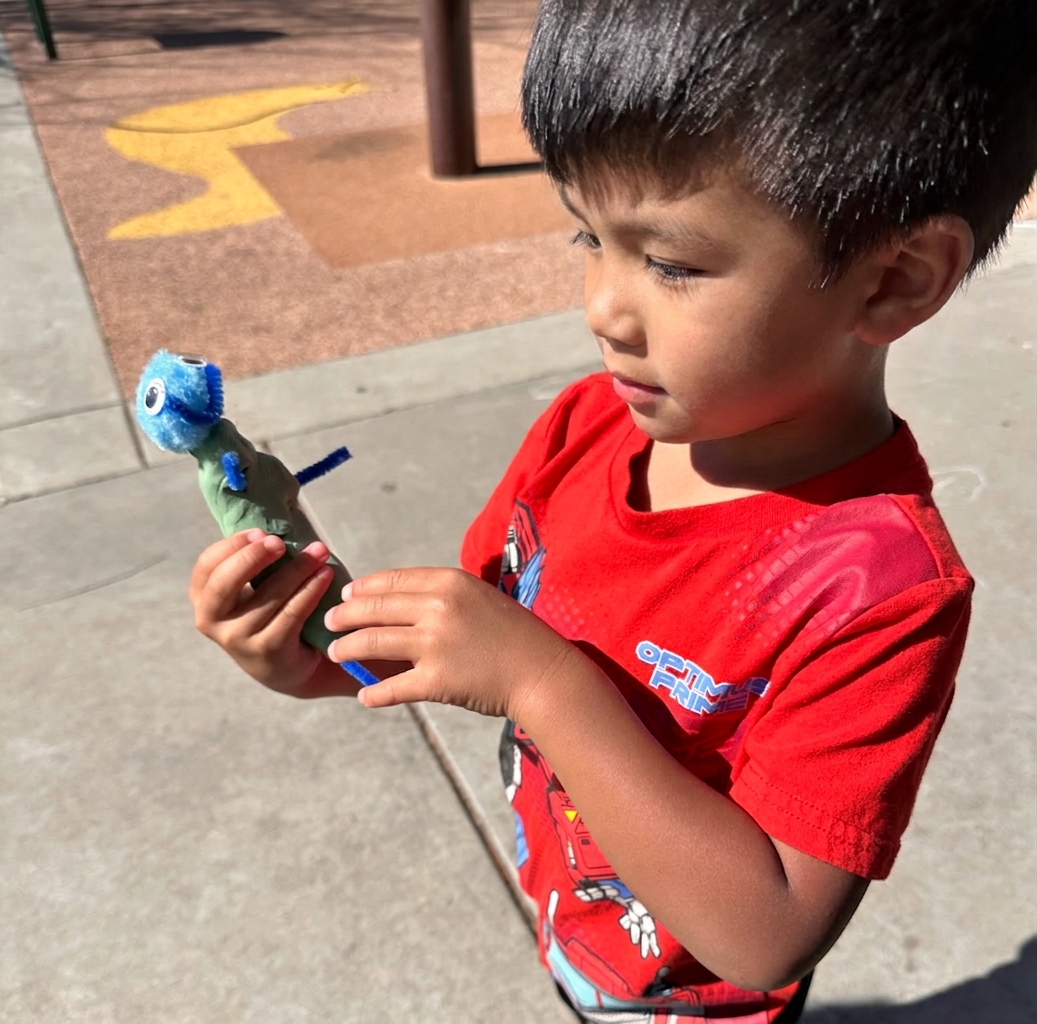
The children then created field logs describing what their creatures ate, where they lived, and how their adaptations helped them survive. They stood before the group and introduced their inventions. The eager speakers volunteered first. Others watched, gathered courage, and eventually stepped forward too. Every idea received attention. Every child received applause.
A conventional lesson might have ended with a quiz about habitats and adaptations. We ended with children defending creatures that had never existed before. They showed us that they understood the living world well enough to imagine beyond it.
They understood the living world well enough to imagine beyond it.
Then the formal mission ended — but the learning did not.
The children rushed toward a spinning playground structure and began negotiating speed, turns, balance, and momentum. Someone fell, cried, recovered, and climbed back on. Later, a grassy hill became a barrel-rolling course. We rolled with them, searched for bugs, got covered in freshly cut grass, and stayed far longer than planned.
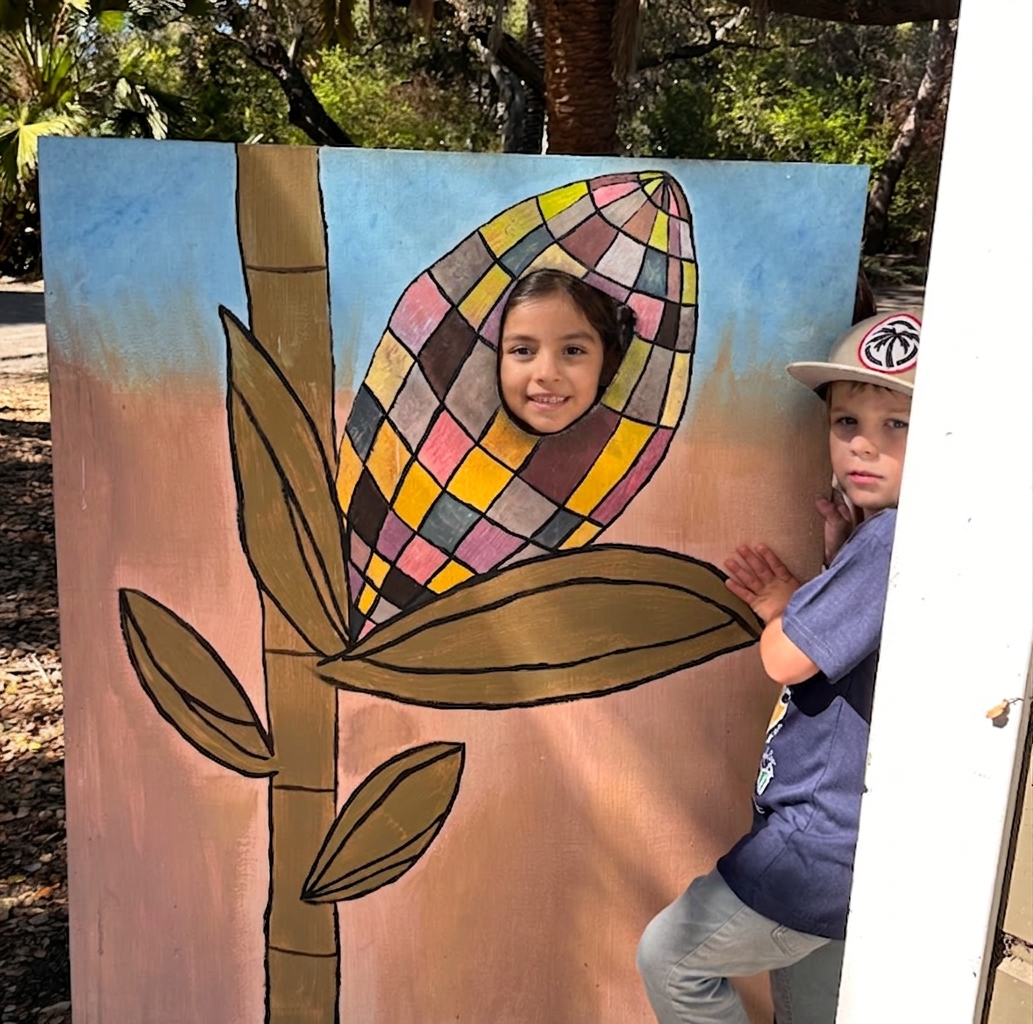
We do not see that free play as what happens after the real learning. It is part of the real learning. Children practice courage with their bodies, negotiate rules with their peers, solve conflicts in motion, and discover what they can do without waiting for an adult to assign the next task.
We closed the Living Web with a small ceremony and a bronze creature for each child — a tangible marker of an invisible change. The children had moved from observing nature, to caring for it, to designing from what it had taught them.
That is the Skip School way: we create rich conditions, offer a meaningful challenge, and trust children to carry the learning somewhere we could not have scripted.
What this mission grew
This is a normal Tuesday.
Small groups. Real challenges. Kids in the lead. Come see what a week of missions looks like in your area.
Join the Founding Community →