Character & Performance
On a cool, gray morning at the park, our storytelling unit shifted from engineering physical settings to inventing original characters—crafting secret animal identities out of paper, felt, and pipe cleaners, then stepping onto a real stage to brave the spotlight.
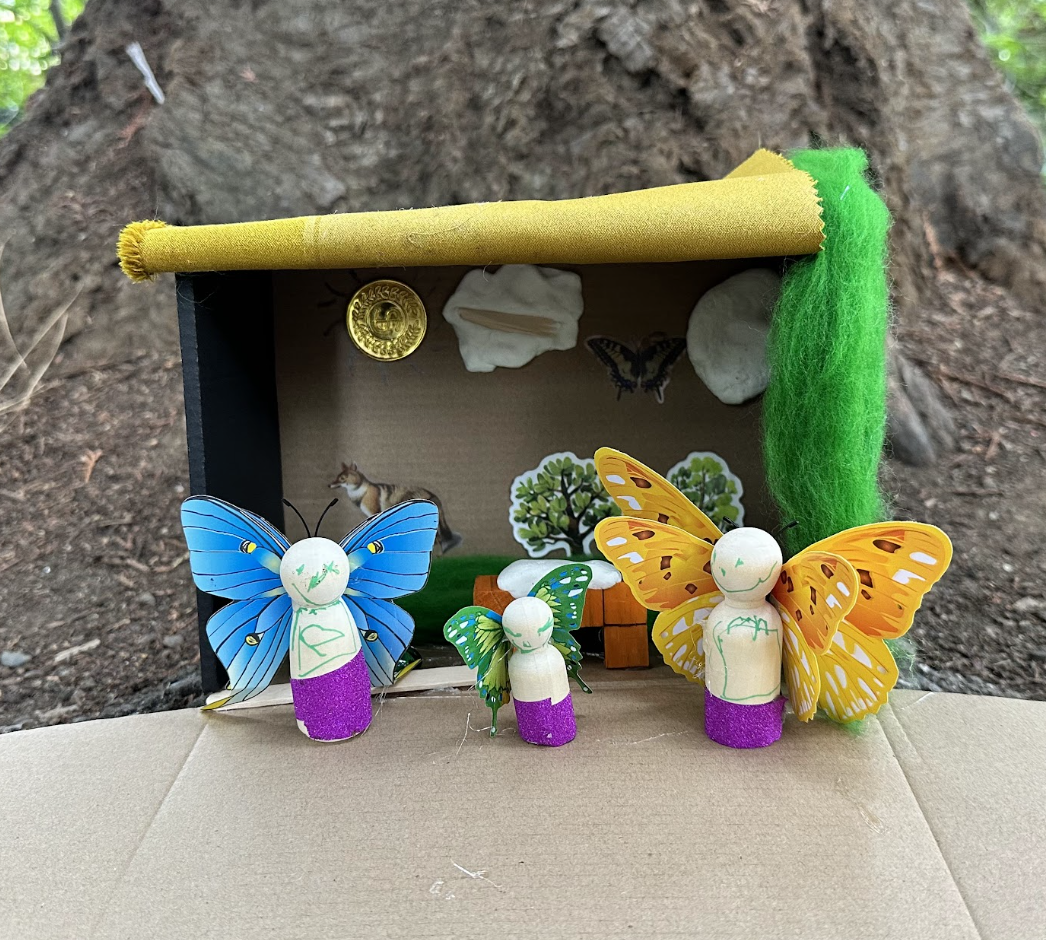
As our storytelling unit deepened, we shifted from engineering the where of a narrative—the settings and world-building—to inventing the who. Constructing a character requires the same structural logic as building a trebuchet or a xylophone: it needs balance, internal purpose, and physical form. Gathered beside the park's wooden stage, we challenged the children to create a secret animal identity using masks, headbands, wings, horns, and spotted coats, and then step onto the stage to perform a short origin story or dramatic challenge.
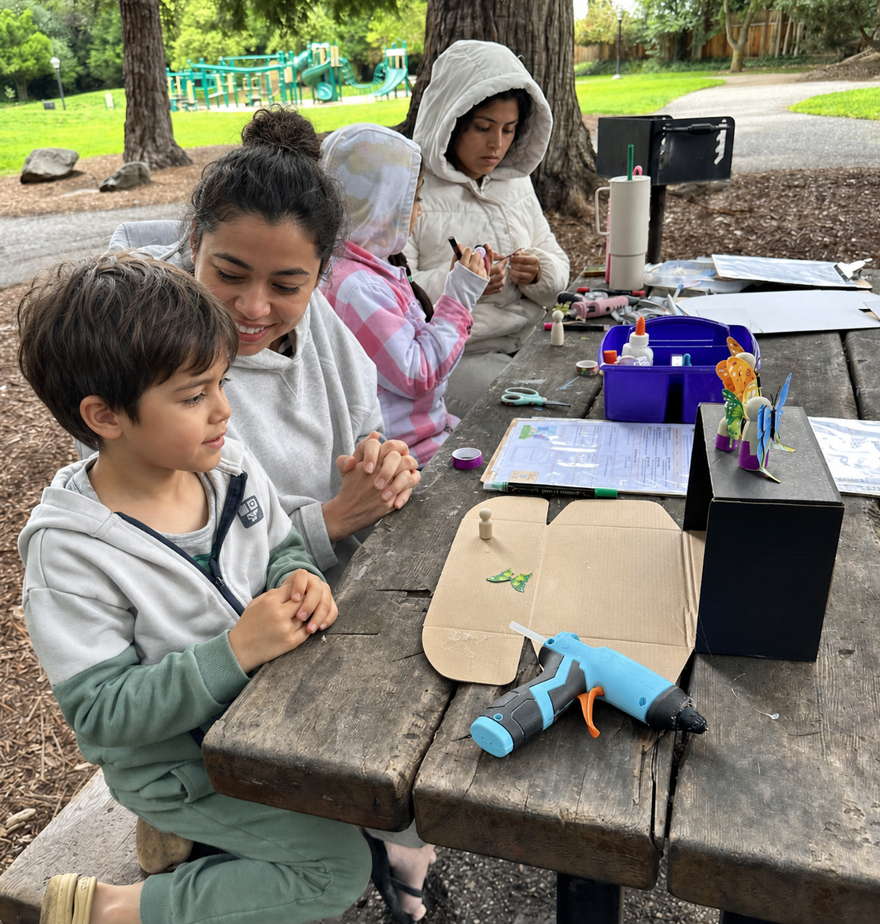
Real design thinking lives in the friction between an imagined idea and the stubborn reality of physical materials. At the craft tables, tape failed to stick to fuzzy fabric, cardboard bent away from intent, and headbands slipped off ears. Adults felt the familiar urge to jump in with quick solutions, but our goal was to hold space for the wrestle. Watching a child figure out how to weave pipe cleaners into a snow leopard's den, or trim a feathered mask so an owl could see, taught a profound lesson: abstract thoughts can be shaped, tested, and shared through persistent hands.
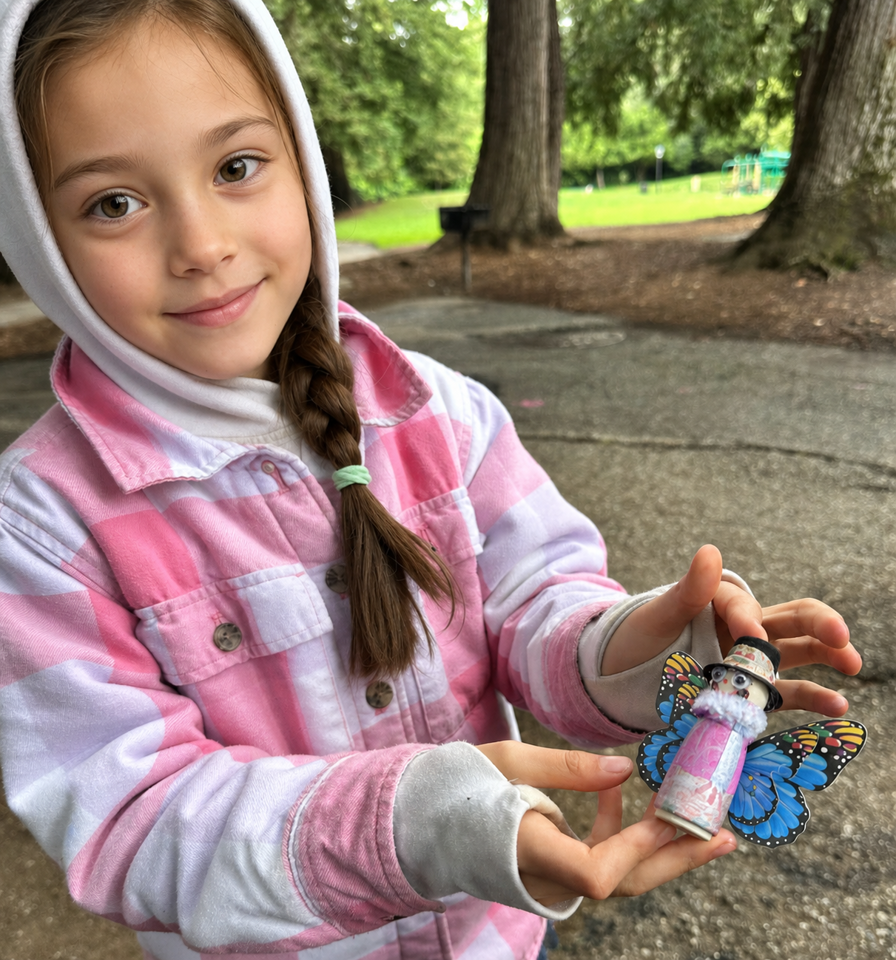
Stepping into the spotlight is a brave stretch for any child. One by one, the young creators took the stage to bring their characters to life. Nora embodied an owl daring itself to take its very first flight; Leo crouched in a snow leopard den crafted from pipe-cleaner framework; Asher performed as a wolf taking dance lessons; and Arlo strutted out as a zebra navigating the tricky task of delivering mail. Instead of reciting a canned quiz or scripted line, each child defended an original creature they had conceived and constructed themselves.
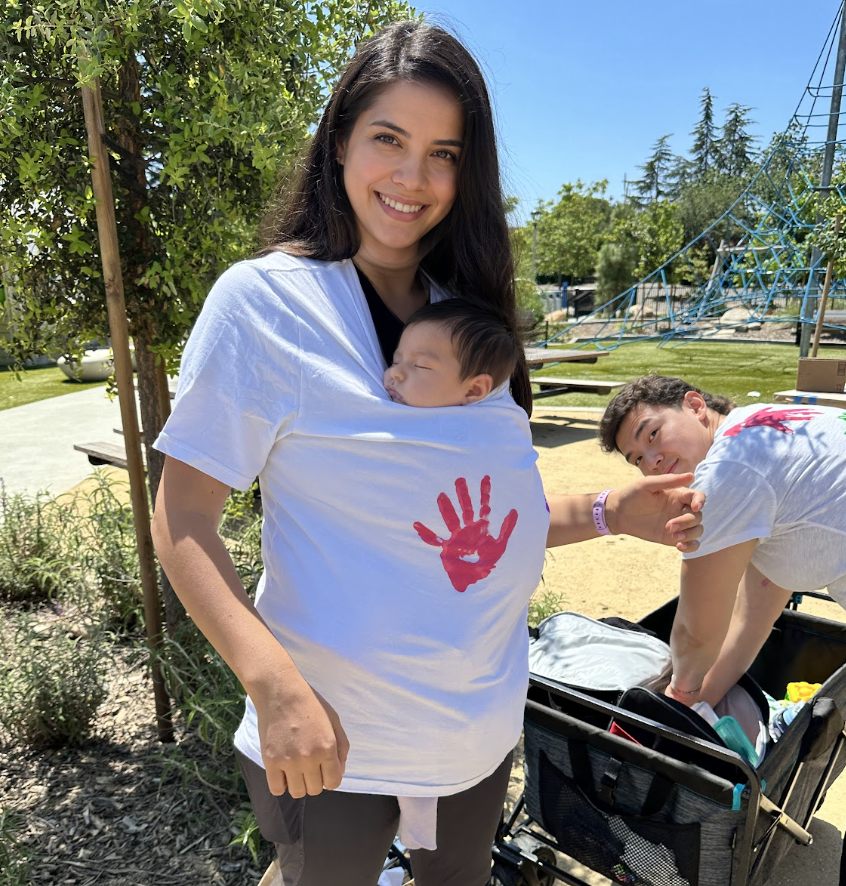
When we let children wrestle with real materials and step onto a stage on their own terms, they practice something far deeper than acting—they practice the brave art of being seen.
When the structured performances ended, a few children wandered back onto the empty stage, so we connected a portable speaker. What began as a quiet return became a joyful, impromptu dance party filled with cartwheels, backbends, and unselfconscious laughter. The stage had stopped being a place where children were evaluated and become a place they owned—a space where being seen felt less like exposure and more like freedom.
What this mission grew
This is a normal Tuesday.
Small groups. Real challenges. Kids in the lead. Come see what a week of missions looks like in your area.
Join the Founding Community →